What is a Posterior Subcapsular Cataract?

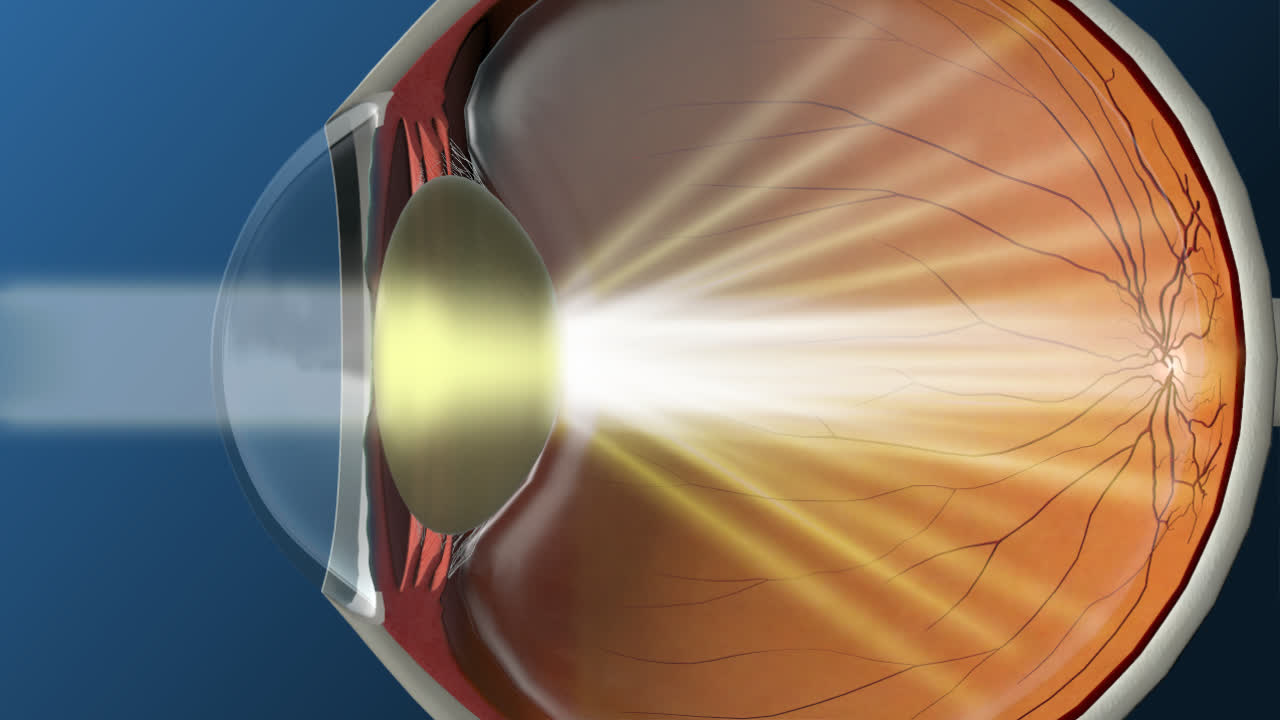
A posterior subcapsular cataract is an opaque area that forms at the back of the lens and can lead to a gradual decrease in vision. An early posterior subcapsular cataract may not cause any symptoms. However, this type of cataract can grow more rapidly than other types of cataracts, and can sometimes cause a significant decrease in vision in a matter of months. As the cataract grows, it causes light entering the eye to scatter, increasing the severity of symptoms. It can make it difficult to see in bright light or while reading, and cause glare and halos around lights at night. When posterior subcapsular cataracts cause enough of a decrease in vision that you have difficulty doing daily activities like reading, watching TV, or driving, cataract surgery may help. If you have cataracts, your eyecare professional can help you decide whether cataract surgery is right for you.
What’s in this video
A posterior subcapsular cataract forms at the back of the lens and can develop quickly, sometimes over months. It often causes glare, halos, and trouble reading or seeing in bright light — and surgery can help once it affects daily life.
This page and video are for general patient education and are not a substitute for a medical examination, diagnosis, or treatment. Eye conditions vary by individual. For advice about your eyes, schedule an evaluation or call (717) 637-1919. In an emergency, call 911.


Ready to see
the world clearly?
Schedule a consultation with Dr. May today. Our team walks you through every step — from your first exam to your clearest day yet.
Contact the practice
Hanover, PA 17331