Protecting sight from the silent thief.
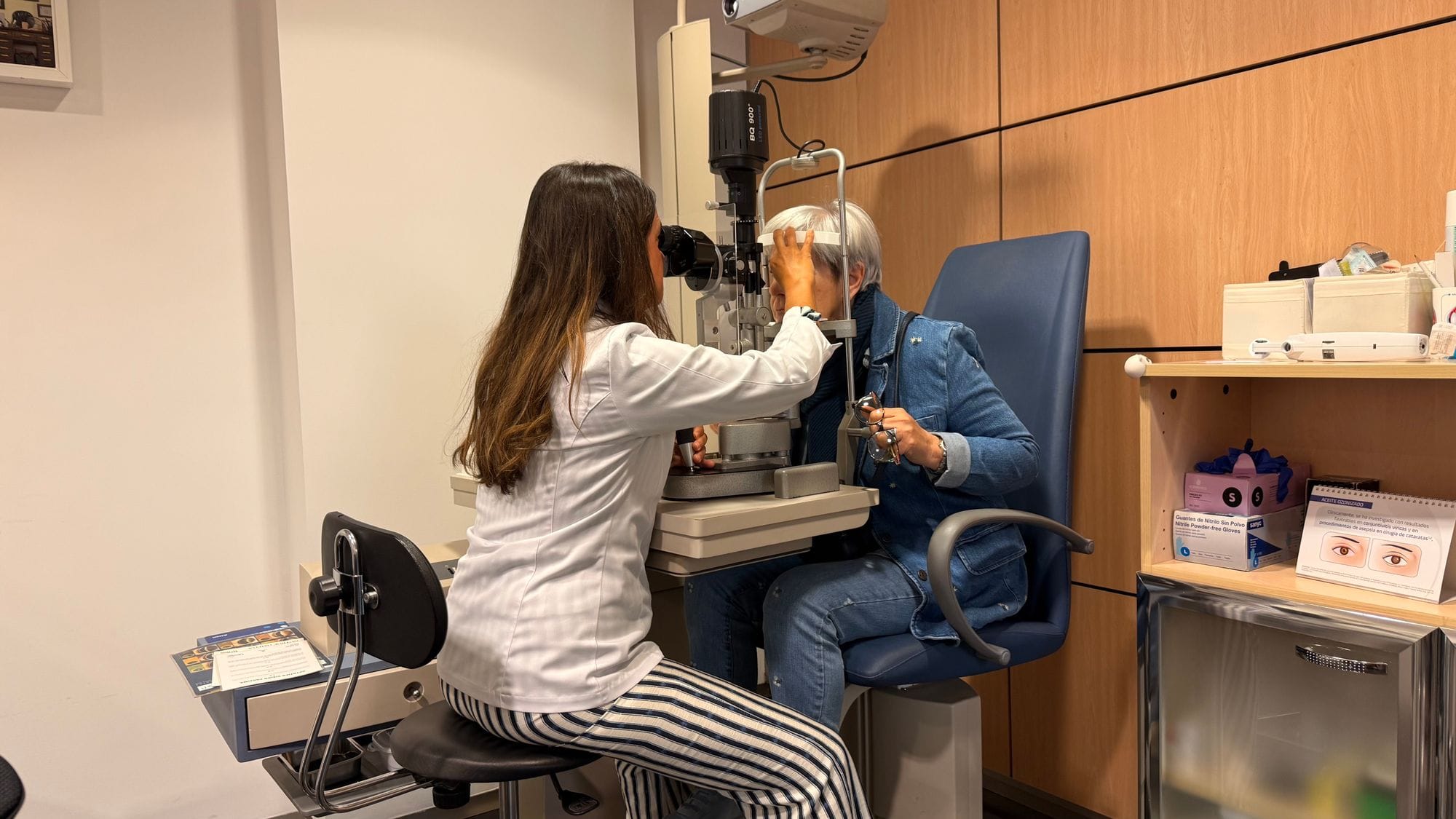
Glaucoma often has no early symptoms — which is why detection matters. We offer OCT imaging, visual field testing, SLT laser, and minimally invasive glaucoma surgery for patients across Hanover, York, Gettysburg, and Carroll County, MD.
The May Eye Care Center & Associates in Hanover, PA diagnoses and treats glaucoma using OCT imaging and visual field testing, then lowers eye pressure with drops, SLT laser, or minimally invasive glaucoma surgery (MIGS, iStent, Xen Gel Stent) — serving York and Adams County, PA and Carroll County, MD.
Early treatment preserves the vision you have.
Glaucoma is a group of conditions that damage the optic nerve, often from elevated eye pressure. It can't be cured, but early treatment can control it and prevent vision loss. Because glaucoma frequently has no symptoms until significant vision is lost, regular comprehensive exams are critical — especially for those over 60 and Black individuals over 40, who are at highest risk.
When treatment is needed, we tailor it to your eyes — from prescription drops and SLT laser to minimally invasive glaucoma surgery (MIGS), iStent, and Xen Gel Stent procedures.
- OCT imaging and visual field testing for early detection
- Selective Laser Trabeculoplasty (SLT)
- Minimally invasive glaucoma surgery (MIGS)
- iStent and Xen Gel Stent implantation
Glaucoma questions, answered.
01What Is Glaucoma?
Glaucoma is a group of eye diseases that damage the optic nerve, the structure that carries visual information from the eye to the brain. Without treatment, glaucoma can cause permanent vision loss and blindness.
02Why Is Glaucoma Called The "Silent Thief Of Sight"?
Most forms of glaucoma cause no pain, redness, or early warning signs. Vision loss typically begins in the peripheral (side) vision and may go unnoticed until significant and irreversible damage has already occurred.
03What Causes Glaucoma?
Glaucoma is usually associated with increased pressure inside the eye, known as intraocular pressure (IOP). However, glaucoma can occur even when eye pressure is within the normal range. Genetics, age, race, and certain medical conditions also increase risk.
04What Eye Pressure Is Too High?
Normal eye pressure generally ranges from approximately 10 to 21 mmHg. However, glaucoma can occur at any pressure level. Some patients develop optic nerve damage at normal pressures, while others tolerate higher pressures without damage.
The health of the optic nerve is more important than the pressure number alone.
05Can You Have Glaucoma With Normal Eye Pressure?
Yes. This condition is called Normal-Tension Glaucoma. Even though eye pressure falls within the normal range, damage to the optic nerve still occurs.
06What Are The Early Warning Signs Of Glaucoma?
Most patients experience no symptoms during the early stages of glaucoma. This is why regular comprehensive eye examinations are essential.
07What Are The Symptoms Of Advanced Glaucoma?
As glaucoma progresses, patients may experience:
- Loss of side vision
- Difficulty seeing in dim lighting
- Trouble navigating stairs
- Tunnel vision
- Difficulty driving
Vision lost from glaucoma cannot be restored.
08Can Glaucoma Cause Blindness?
Yes. Untreated glaucoma can lead to permanent blindness. Early diagnosis and treatment dramatically reduce the risk of severe vision loss.
09Is Vision Loss From Glaucoma Reversible?
No. Damage to the optic nerve caused by glaucoma is permanent. Treatment is designed to preserve the vision you still have and prevent further damage.
10Who Is At Risk For Glaucoma?
Risk factors include:
- Age over 60
- Family history of glaucoma
- African American heritage
- Hispanic heritage
- Elevated eye pressure
- Diabetes
- Thin corneas
- Severe nearsightedness
- Previous eye injury
- Long-term steroid use
11Does Glaucoma Run In Families?
Yes. A family history of glaucoma significantly increases your risk. Individuals with parents, siblings, or children diagnosed with glaucoma should receive regular eye examinations.
12How Is Glaucoma Diagnosed?
Diagnosis may include:
- Eye pressure measurement
- Optic nerve examination
- Optical Coherence Tomography (OCT)
- Visual field testing
- Corneal thickness measurements
- Gonioscopy
These tests help identify glaucoma before noticeable vision loss occurs.
13What Is An OCT Scan For Glaucoma?
Optical Coherence Tomography (OCT) is an advanced imaging technology that measures the thickness of the optic nerve and retinal nerve fiber layer. OCT often detects glaucoma damage before visual field loss develops.
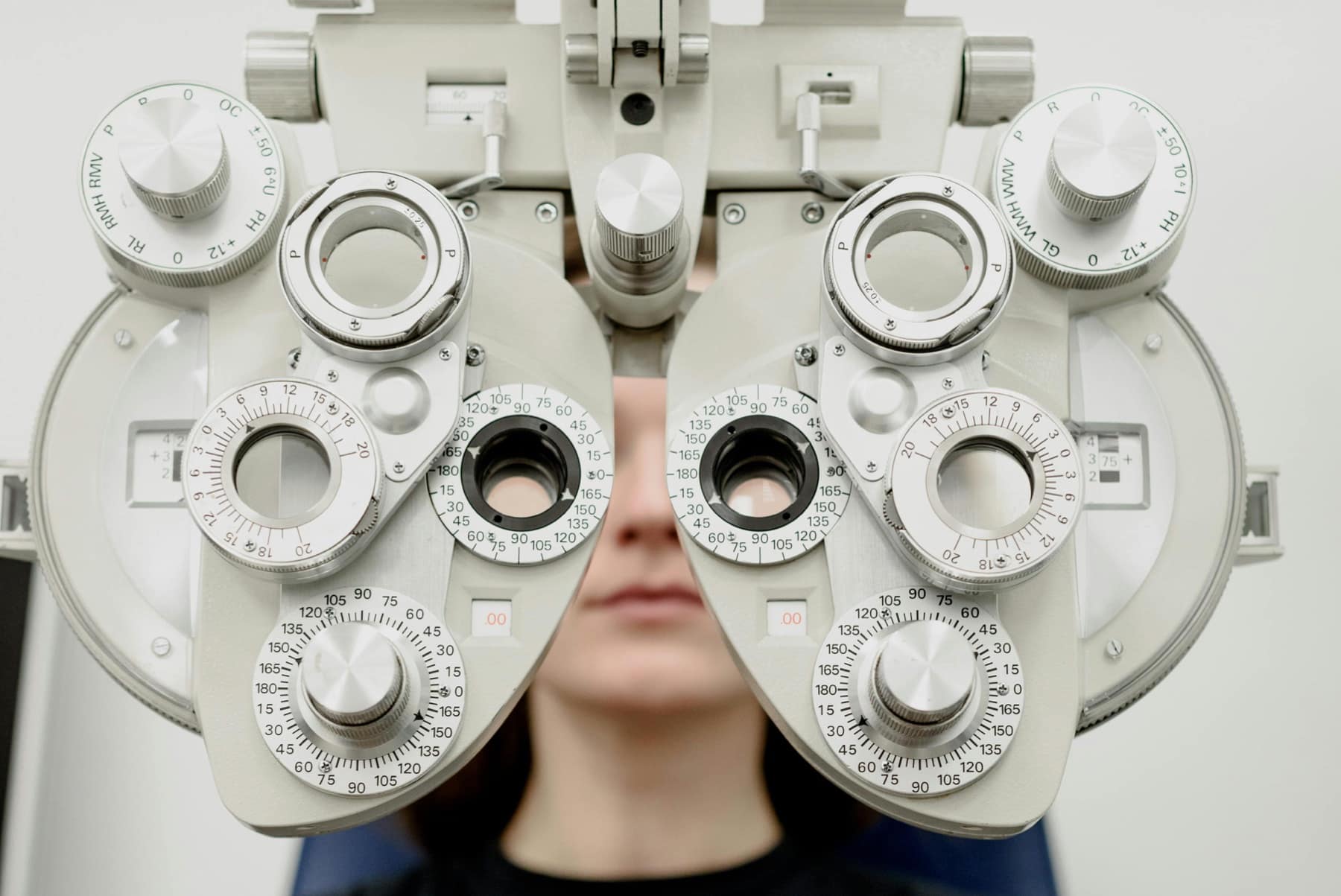
14What Is A Visual Field Test?
A visual field test measures side vision and helps identify areas of vision loss caused by glaucoma. It is one of the most important tests for monitoring disease progression.
15What Is Open-Angle Glaucoma?
Primary Open-Angle Glaucoma is the most common type of glaucoma. The eye's drainage system remains open but becomes less efficient over time, causing pressure-related optic nerve damage.
16What Is Angle-Closure Glaucoma?
Angle-Closure Glaucoma occurs when the drainage angle inside the eye becomes blocked. This can cause a sudden rise in eye pressure and may require emergency treatment.
17What Are Symptoms Of Acute Angle-Closure Glaucoma?
Symptoms may include:
- Severe eye pain
- Blurred vision
- Headache
- Nausea
- Vomiting
- Halos around lights
This is a medical emergency requiring immediate treatment.
18How Is Glaucoma Treated?
Treatment may include:
- Prescription eye drops
- Laser procedures
- Minimally invasive glaucoma surgery (MIGS)
- Traditional glaucoma surgery
The goal is to lower eye pressure and prevent additional optic nerve damage.
19Do Glaucoma Eye Drops Cure Glaucoma?
No. Eye drops help control eye pressure and slow progression but do not cure glaucoma.
20Will I Need Glaucoma Drops Forever?
Many patients require long-term treatment. However, some patients may reduce or eliminate medications following successful laser treatment or glaucoma surgery.
21What Happens If I Stop My Glaucoma Drops?
Stopping glaucoma medications can allow eye pressure to rise, increasing the risk of permanent optic nerve damage and vision loss.
Patients should never discontinue treatment without consulting their ophthalmologist.
22What Is Selective Laser Trabeculoplasty (SLT)?
SLT is a laser treatment that improves drainage of fluid from the eye and lowers eye pressure. It is often used as an alternative or supplement to glaucoma medications.
23Is SLT Better Than Glaucoma Eye Drops?
For many patients, SLT can effectively reduce eye pressure while decreasing reliance on daily medications. The best option depends on the individual patient.
24What Is MIGS Surgery?
Minimally Invasive Glaucoma Surgery (MIGS) refers to advanced procedures that lower eye pressure using microscopic implants or drainage techniques with faster recovery and fewer risks than traditional glaucoma surgery.
25What Is An iStent?
The iStent is one of the smallest medical implants used in the human body. It is commonly placed during cataract surgery to improve fluid drainage and lower eye pressure in glaucoma patients.
26Can Cataract Surgery Lower Eye Pressure?
Yes. Many glaucoma patients experience lower eye pressure following cataract surgery. In selected patients, cataract surgery may be combined with MIGS procedures for additional pressure reduction.
27What Is A Xen Gel Stent?
The Xen Gel Stent is a minimally invasive implant used to create a new drainage pathway for fluid, helping lower eye pressure in patients with moderate to advanced glaucoma.
28When Is Glaucoma Surgery Necessary?
Surgery may be recommended when:
- Medications fail to control pressure
- Laser treatment is insufficient
- Glaucoma continues to worsen
- Medication side effects become problematic
29How Often Should Glaucoma Patients Be Examined?
Follow-up intervals vary depending on disease severity and stability. Some patients are monitored every few months, while others may be seen less frequently.
30Can Lifestyle Changes Cure Glaucoma?
No. While healthy lifestyle habits support overall eye health, they cannot replace medical treatment for glaucoma.
31Can Exercise Help Glaucoma?
Regular aerobic exercise may provide modest reductions in eye pressure and offers numerous health benefits. Patients should discuss exercise recommendations with their physician.
32Does Diabetes Increase The Risk Of Glaucoma?
Yes. Patients with diabetes may have a higher risk of developing glaucoma and should receive regular comprehensive eye examinations.
33Why Is Early Detection So Important?
Because glaucoma damage is permanent, identifying the disease before symptoms develop is the best way to preserve vision and prevent blindness.
34What Makes May Eye Care Center Different For Glaucoma Care?
At May Eye Care Center, we offer comprehensive glaucoma diagnosis, OCT imaging, visual field testing, laser glaucoma treatments, SLT laser procedures, MIGS surgery, iStent implantation, Xen Gel Stent surgery, and advanced medical management. We provide individualized treatment plans designed to preserve vision and maintain quality of life for patients throughout Hanover, York, Gettysburg, Adams County, Carroll County, and surrounding communities.
Taking Cialis or Viagra? Two 2026 studies on PDE-5 inhibitors and glaucoma point in opposite directions, and the labels carry a rare sudden-vision-loss warning. Can Cialis or Viagra affect your eyes? →
Glaucoma, explained.
27 plain-English answers reviewed by our doctors — 22 with short videos from Dr. May.
Patients come to our Hanover office from across York County and Adams County, PA and Carroll County, MD. The office is about 17 miles from York, about 15 miles from Gettysburg, and about 19 miles from Westminster, MD. Driving distances from 19 towns →
Ready to see
the world clearly?
Schedule a consultation with Dr. May today. Our team walks you through every step — from your first exam to your clearest day yet.
Contact the practice
Hanover, PA 17331