What is Dysfunctional Lens Syndrome?
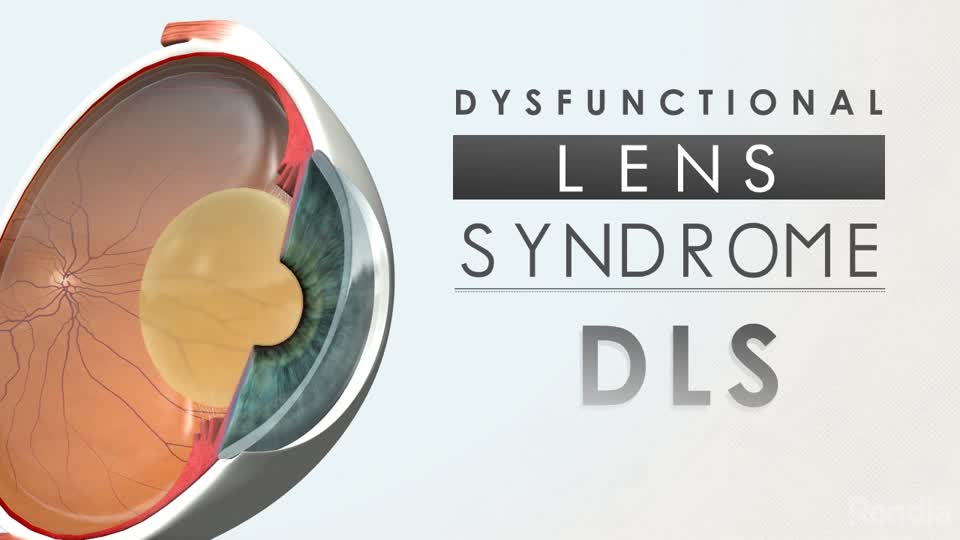
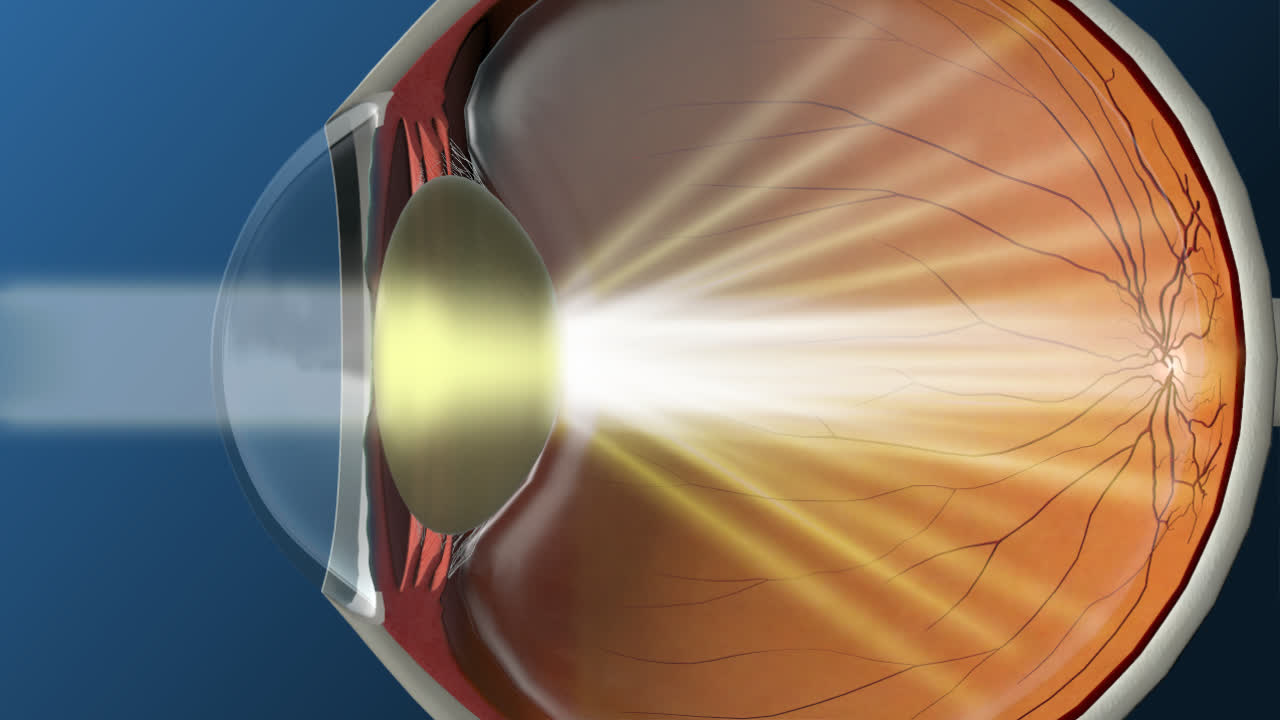
After years of stable, clear vision, are you now experiencing issues with glare and blurry vision? Your decline in vision may be from normal aging of the lens called - Dysfunctional Lens Syndrome, or DLS. A clear, functional lens allows light to pass cleanly through the eye without light scatter, glare, or blurry vision. Its flexibility allows the lens to change shape and focus so you can see both far and near objects, like the zoom function of a camera. In DLS, there is a progressive loss of function of the natural lens inside your eye. The lens stiffens and loses its clarity. DLS occurs in three stages: Stage 1 occurs in your 40s, when the lens of your eye loses some of its flexibility - the same reason a lot of people at this stage start using reading glasses or bifocals. In your 50’s and 60’s, you enter Stage 2, where the lens optics degrade, resulting in decreased image quality from progressive yellowing and light scatter. This causes issues with night vision and the need for more light to read. By your 70’s, DLS enters Stage 3, which is a cataract. DLS naturally occurs over time, and will even affect patients who have had LASIK - since LASIK only improves the cornea, not the lens itself. DLS in Stage 2 and 3 can be resolved by replacing the dysfunctional lens with an Intraocular Lens, or IOL. This improves and stabilizes the lens optics, preventing the need for cataract surgery down the road. Premium IOL implants may be a great option to optimize your vision and reduce dependence on glasses. Your eyesight affects everything you see, every day. Why struggle with suboptimal vision when you can achieve clearer vision now? Talk to us about DLS and how we can help you can maintain a lifetime of healthy vision.
What’s in this video
Dysfunctional lens syndrome (DLS) is the natural aging of your lens in three stages — losing flexibility in your 40s, losing clarity in your 50s–60s, and becoming a cataract by your 70s. Even LASIK patients experience it, and a lens implant can correct it.
This page and video are for general patient education and are not a substitute for a medical examination, diagnosis, or treatment. Eye conditions vary by individual. For advice about your eyes, schedule an evaluation or call (717) 637-1919. In an emergency, call 911.


Ready to see
the world clearly?
Schedule a consultation with Dr. May today. Our team walks you through every step — from your first exam to your clearest day yet.
Contact the practice
Hanover, PA 17331