What kind of Intraocular lenses are available?

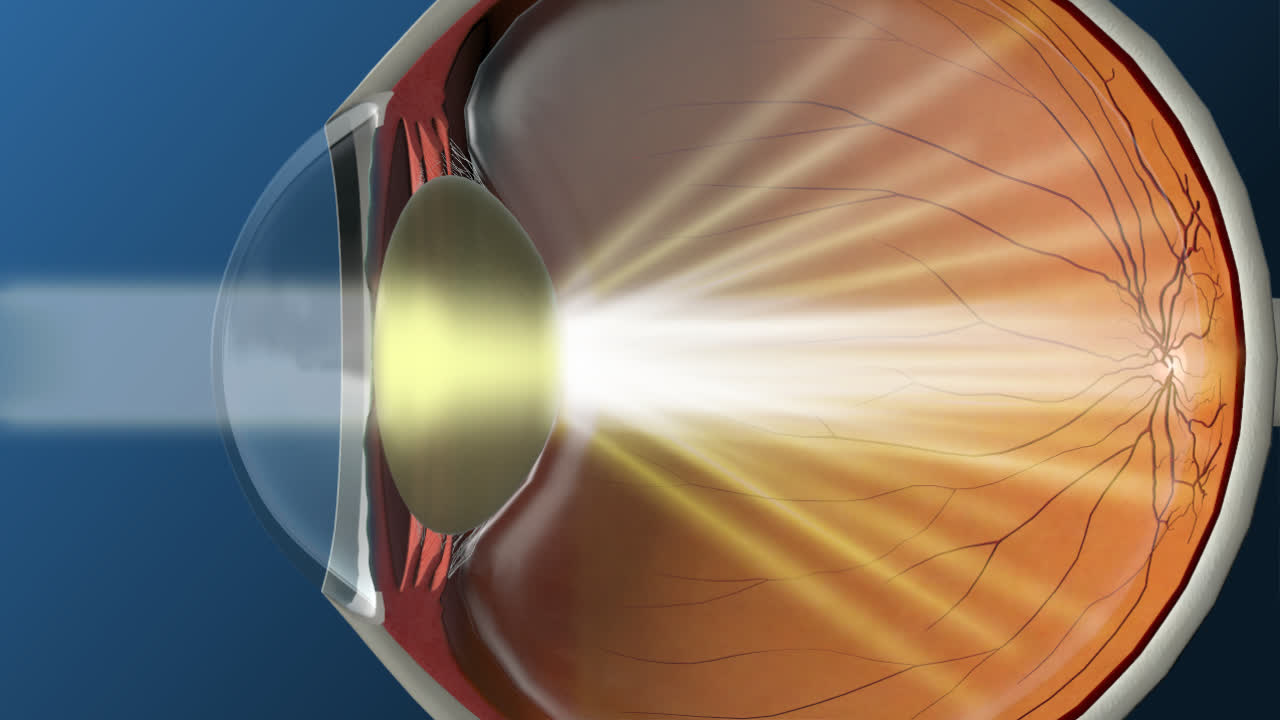
You’re probably wondering what your vision will be like after your cataract surgery, and whether you’ll still need glasses to see. To anticipate your vision after surgery, it helps to think of your vision as three distinct zones. Near, such as reading your phone or watch. Intermediate, such as looking at a computer screen. Far, such as reading street signs or watching TV in the living room. Before cataract surgery, most people need glasses for certain tasks in at least one zone. During cataract surgery, your natural, cloudy lens will be replaced with an intraocular lens, or IOL. Your new IOL is an opportunity to totally change how you see after cataract surgery. You and your doctor can select an IOL that reduces your need for glasses. When considering your IOL, there are two main categories to choose from: Single focus and Advanced focus. Single focus gives you clear vision without glasses in one visual zone. People typically choose clear distance vision and may rely on glasses, like readers or bifocals, for seeing up close. You can also combine single focus IOLs so that you have one eye for seeing distance and the other for near. Single focus IOLs are a great option for many people, especially if you don’t mind using glasses for some activities, and these IOLs are typically covered by insurance. Advanced IOLs provide clear, continuous vision at two or three visual zones. There are many different kinds available, and your doctor can provide you with suggestions that make the most sense for your visual needs. Depending on which lens you choose, you may not need glasses to drive during the day, or to pick out items at the grocery store. In some cases, like reading in a dimly lit environment, you may still need reading glasses. It is likely that you will see circular rings called halos around lights at night, which is typical and will become less noticeable as you adapt to your new lenses. Advanced IOLs are a great option if you want the most freedom from glasses and are willing to cover the out of pocket costs. If you have astigmatism, correction can be built into any lens you choose, and will also include an out of pocket cost. Keep your priorities and daily activities in mind when considering your IOL options. It will help us guide you to the IOL strategy that’s best for you.
What’s in this video
When your cataract is removed it's replaced with a lens implant (IOL). Single-focus lenses give clear vision at one distance (often with readers for the rest), while advanced lenses cover near, middle, and far to reduce your need for glasses. We'll match one to your goals.
This page and video are for general patient education and are not a substitute for a medical examination, diagnosis, or treatment. Eye conditions vary by individual. For advice about your eyes, schedule an evaluation or call (717) 637-1919. In an emergency, call 911.


Ready to see
the world clearly?
Schedule a consultation with Dr. May today. Our team walks you through every step — from your first exam to your clearest day yet.
Contact the practice
Hanover, PA 17331