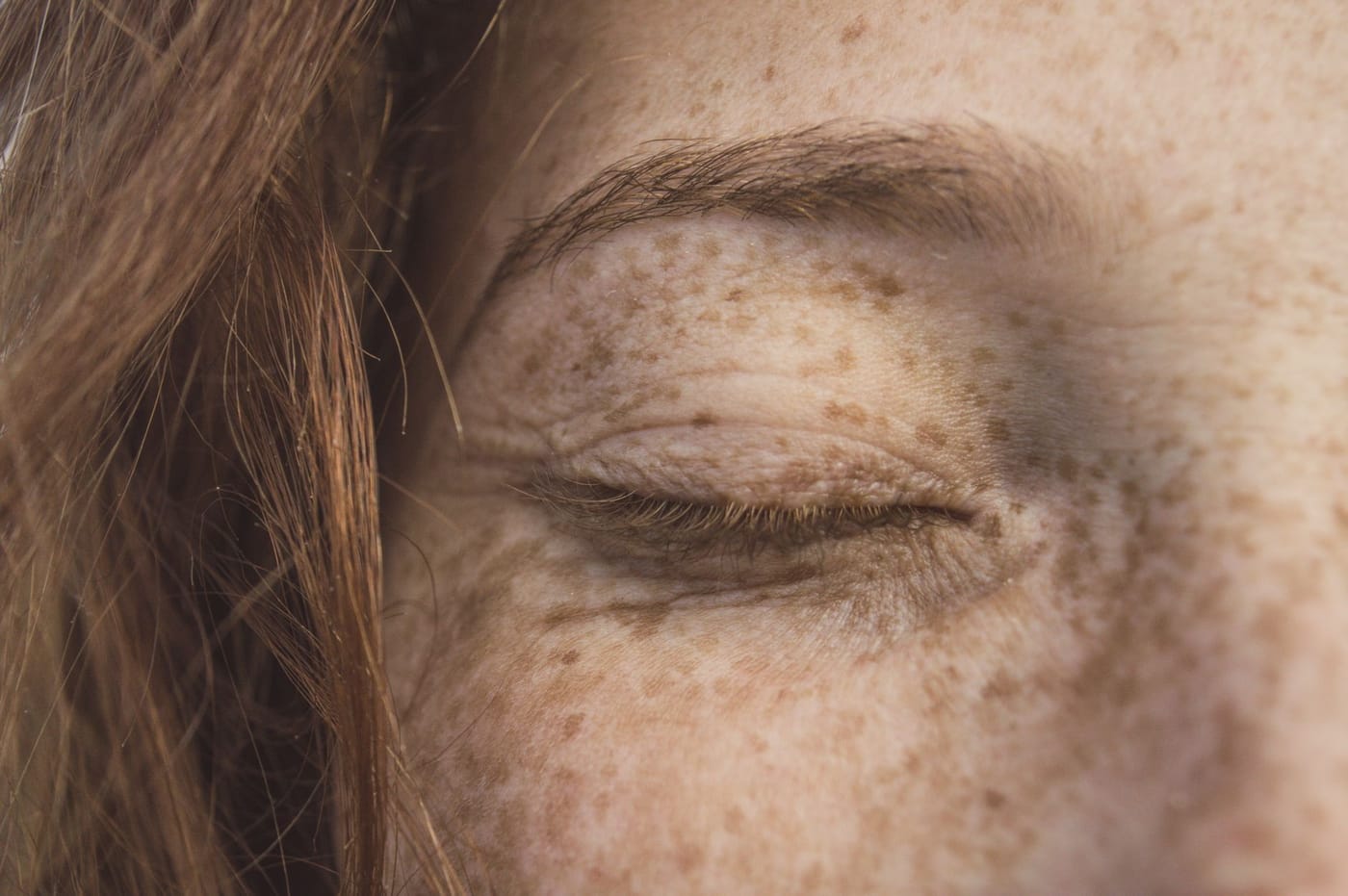
What Causes Bags Under the Eyes?
Bags under the eyes are usually caused by aging changes in the lower lid: the fat that cushions the eye bulges forward as the tissue holding it back weakens, and the skin and muscle relax. Fluid retention, poor sleep, salt, allergies, and family tendency add puffiness on top. Most under-eye bags are a cosmetic and harmless change, but sudden or one-sided swelling, especially with redness or pain, is different and should be checked.
Key Takeaways
- The main cause is age-related bulging of the lower-lid fat pads combined with thinning skin and looser muscle.
- Fluid retention overnight, high salt, alcohol, poor sleep, and allergies make bags puffier day to day.
- Genetics play a large role — bags often run in families and can appear relatively young.
- Bags are typically a cosmetic concern, not a medical danger.
- Sudden, painful, red, or one-sided swelling is not a simple bag and needs evaluation (infection, allergy, or a thyroid or kidney issue).
- Treatments range from lifestyle measures to fillers or surgery, depending on the cause and how much it bothers you.
Why Patients Ask This Question
People look in the mirror and see puffiness or shadowed pouches under their eyes that make them look tired, older, or unwell even when they feel fine. They notice the bags are worse in the morning or after a salty meal or a poor night's sleep. The concern is often cosmetic — looking chronically exhausted — but many also wonder whether the swelling signals a health problem like thyroid or kidney trouble.
What This Means for Your Eyes
The eye sits in a socket cushioned by fat, held in place by a thin sheet of tissue (the orbital septum). With age, that sheet weakens and the fat pads push forward, creating the bulge we call a bag; at the same time the skin thins and the muscle loosens, so the lid loses its smooth contour.
This is a change in the lid's appearance and structure, not the eye's ability to see, so vision is normally unaffected. Puffiness that comes and goes with sleep, salt, and fluid shifts layers on top of these structural changes. Because the skin here is the thinnest on the body, even small amounts of fluid or shadowing show up dramatically.
Detailed Explanation
The structural cause of true under-eye bags is prolapse of the lower-lid fat pads. As the orbital septum weakens with age, the fat that pads the eye herniates forward and shows through the thin lid skin; loss of skin elasticity and descent of the cheek deepen the groove below, making the bag look more prominent. This is why the bags tend to be permanent and worsen slowly over years.
On top of the structure, transient puffiness comes from fluid. Sleeping flat lets fluid settle under the eyes overnight, which is why bags are often worst in the morning; salt, alcohol, and hormonal shifts increase fluid retention, and crying or heat can too. Allergies inflame the lower lids and add dark discoloration. A strong family history means some people develop bags in their twenties or thirties. Separately, some medical conditions cause under-eye or lid swelling — thyroid eye disease, kidney disease, and generalized fluid retention — but these usually bring other symptoms and a different pattern, such as swelling that is new, marked, or accompanied by systemic signs.
When This May Be Serious
Longstanding, symmetric, painless bags are cosmetic. Have swelling evaluated if it is:
- Sudden, one-sided, red, warm, or tender (possible infection such as cellulitis)
- Intensely itchy and swollen (allergic reaction or angioedema)
- New and marked, with bulging or protruding eyes, lid retraction, or double vision (possible thyroid eye disease)
- Accompanied by facial or leg swelling, weight change, or shortness of breath (possible kidney, thyroid, or heart-related fluid retention)
- A distinct lump rather than diffuse puffiness
Rapidly spreading redness with pain and fever around the eye is urgent.
How an Ophthalmologist Evaluates This
The doctor first separates cosmetic bags from medical swelling by history and exam: how long it has been present, whether it is symmetric, and whether there is redness, pain, itch, or systemic symptoms. The lower lids are examined for fat prolapse, skin laxity, and lid position, and the eyes are checked for signs of thyroid eye disease such as bulging or lid retraction. If the pattern suggests an allergic, infectious, or systemic cause, the doctor looks for those features and may recommend appropriate blood work (thyroid or kidney testing) or coordinate with your primary physician. For a straightforward cosmetic bag, the assessment focuses on which tissues — fat, skin, or cheek support — are contributing.
Treatment Options
For puffiness driven by fluid, simple measures help: sleeping with the head slightly elevated, reducing salt and alcohol, cool compresses in the morning, treating allergies, and good sleep. These reduce day-to-day swelling but do not remove structural bags.
For true fat-pad bulging, cosmetic options include under-eye fillers to soften the groove and blend the contour, energy-based skin-tightening for mild laxity, and, for more pronounced bags, lower-lid blepharoplasty — surgery that removes or repositions the herniated fat and, when needed, tightens skin and lid. Surgery is a cosmetic procedure in most cases. When swelling turns out to be from allergy, infection, or a systemic condition, treatment targets that underlying cause rather than the appearance.
What You Should Not Do
- Do not expect eye creams or serums to remove bulging fat pads; they may hydrate skin but cannot fix the structural cause.
- Do not aggressively rub or massage the delicate under-eye skin, which worsens laxity and irritation.
- Do not ignore sudden, painful, red, or one-sided swelling as "just a bag" — that pattern can be infection or allergy.
- Do not use hemorrhoid creams or unproven home remedies near the eyes, where they can harm the surface.
- Do not dismiss new marked swelling with bulging eyes or body swelling; it may point to a thyroid, kidney, or heart issue.
When to Call May Eye Care Center
Call May Eye Care Center if under-eye bags bother you and you want to know what is causing them and what actually helps, or if the swelling is new, one-sided, red, painful, or comes with bulging eyes or general body swelling. Seek urgent care for rapidly spreading redness, warmth, and pain around the eye with fever. Patients throughout the Hanover area are welcome to schedule an evaluation.
Bottom Line
Under-eye bags are usually harmless age-related fat bulging plus fluid puffiness, treated cosmetically when they bother you — but sudden, painful, one-sided, or systemic swelling deserves a medical look.
This page also answers
- What causes tearing in adults?
- When is an eyelid bump more than a stye?
- Can droopy eyelids affect vision?
- What eyelid symptoms require an ophthalmologist?
- How are eyelid problems treated?
- When should this be checked urgently?
- What testing helps confirm the diagnosis?
- What treatments are available?
- What should patients avoid doing at home?
Medical sources
This article is for educational purposes only and is not a diagnosis, treatment plan, or substitute for an eye examination by a qualified eye doctor. Eye symptoms can have many causes, and some problems can threaten vision if they are not treated promptly. Do not diagnose or treat yourself based only on online information. If you have eye pain, sudden vision loss, flashes, new floaters, a curtain or shadow in your vision, double vision, chemical exposure, trauma, severe redness, light sensitivity, or any concerning eye symptom, seek urgent medical eye care or emergency care.
Schedule your eye exam at May Eye Care Center in Hanover, PA
Serving York, Gettysburg, Adams County, and northern Maryland (driving distances). Call (717) 637-1919 or explore more about eyelid & tearing at our practice.
Call (717) 637-1919