Can Thyroid Disease Cause Double Vision?
Yes. Thyroid disease, especially the autoimmune form called Graves' disease, can cause double vision by inflaming and swelling the muscles that move the eyes. When those muscles thicken and stiffen, the two eyes no longer aim at the same point, so the brain sees two images. New double vision should be evaluated promptly, because it can also signal other serious problems, and in thyroid eye disease it can occasionally reflect pressure on the optic nerve.
Key Takeaways
- Thyroid-related double vision comes from swollen, stiff eye muscles (thyroid eye disease), not from the thyroid hormone directly.
- It is typically binocular double vision, meaning it disappears when you cover either eye; that pattern points to a muscle or nerve problem.
- The double vision is often worse looking up or to the side and may vary through the day.
- Urgent red flag: new double vision that is sudden, or comes with a drooping lid, unequal pupils, severe headache, weakness, or slurred speech is a possible stroke or nerve emergency and needs emergency care now.
- Even clearly thyroid-related double vision, if joined by worsening or fading-color vision, should be checked quickly for optic nerve compression.
Why Patients Ask This Question
Patients usually notice two images side by side or stacked, most often looking up, to the side, or into the distance, and they find themselves closing one eye or tilting the head to cope. Many already know they have a thyroid problem and want to know whether it explains the double vision. Others have not been diagnosed yet, and the double vision, along with bulging or irritated eyes, is the first clue that something autoimmune is going on.
What This Means for Your Eyes
Six small muscles move each eye, and the two eyes must work as a team so the brain fuses their images into one. In thyroid eye disease, autoimmune inflammation makes those muscles swell and later scar, so they cannot move freely. When a stiff muscle keeps an eye from turning fully, the eyes point in slightly different directions and you see double.
Because both eyes are needed to produce this kind of double vision, covering either eye makes it go away, an important distinction from double vision within a single eye (usually a lens, cornea, or dry-eye issue). Thyroid double vision often follows the muscles most affected, so it may be worst on upgaze or side gaze and can fluctuate. It can make driving, reading, and stairs genuinely unsafe.
Detailed Explanation
In thyroid eye disease, autoimmune inflammation enlarges and eventually scars the eye muscles, restricting movement and producing binocular double vision. This can happen whether the thyroid is overactive, normal, or underactive, so normal blood levels do not rule it out. The double vision often emerges during the active phase and may stabilize once the disease burns out, leaving a fixed misalignment that can be corrected.
Thyroid disease is not the only cause of double vision, and some causes are emergencies. A palsy of a nerve that drives the eye muscles can come from a stroke, an aneurysm (classically a third-nerve palsy with a droopy lid and enlarged pupil), diabetes, or raised pressure in the head. Myasthenia gravis, another autoimmune disease, causes variable double vision and drooping that worsen with fatigue and can coexist with thyroid disease. This is why new double vision is evaluated, not waited out.
When This May Be Serious
Treat new double vision as urgent until a cause is clear. Seek emergency care immediately if it comes with any of these:
- A newly drooping eyelid or an enlarged, unequal pupil.
- Severe headache, especially of sudden onset.
- Weakness or numbness, facial droop, trouble speaking, or trouble walking.
- Sudden vision loss or an eye that will not move.
Even without these, thyroid-related double vision that is worsening, or joined by dimming or fading-color vision, should be checked quickly for optic nerve compression.
How an Ophthalmologist Evaluates This
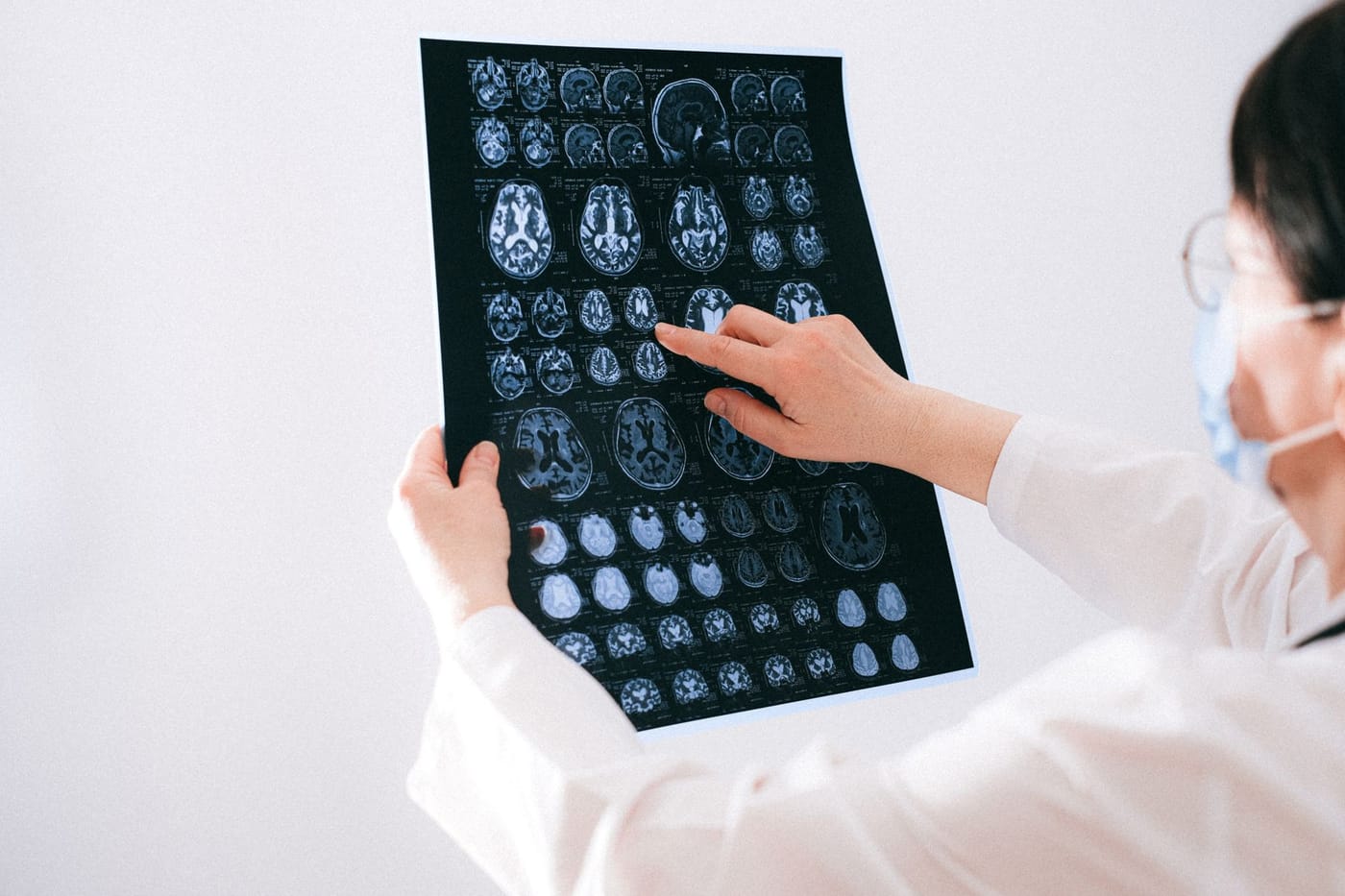
The doctor first confirms whether the double vision is binocular (gone when either eye is covered) or monocular, then maps the eye movements to see which muscles are restricted. Vision, color vision, pupils, and lid position are checked to catch a nerve palsy or optic nerve involvement, and the degree of bulging is measured. Thyroid hormone and antibody tests support a thyroid diagnosis, and orbital imaging (CT or MRI) shows enlarged muscles or crowding at the back of the socket. If the picture suggests a nerve palsy, aneurysm, or myasthenia instead, the workup shifts to brain and vessel imaging or the appropriate tests, sometimes urgently.
Treatment Options
During the active phase, relief includes prisms ground into glasses to realign the images, or temporarily patching one eye for tasks like driving. Controlling thyroid levels and stopping smoking help the underlying disease, and active moderate-to-severe inflammation may be treated with corticosteroids, targeted medication such as teprotumumab, or orbital radiotherapy in selected patients. Once the disease is stable and the misalignment is no longer changing, eye-muscle (strabismus) surgery can realign the eyes for lasting single vision. If double vision stems from something other than thyroid disease, treatment follows that cause, which may be urgent.
What You Should Not Do
- Do not wait out new double vision, especially if it is sudden or comes with a droopy lid, unequal pupils, headache, or any weakness or speech trouble; that is an emergency.
- Do not drive while seeing double.
- Do not assume normal thyroid blood work means your eyes are fine; the eye disease can flare independently.
- Do not seek permanent muscle surgery while the inflammation is still active and the alignment is still changing.
When to Call May Eye Care Center
Call to be seen promptly for any new double vision so its cause can be sorted out. If it is sudden or comes with a drooping lid, an unequal pupil, severe headache, weakness, or slurred speech, go to the emergency room immediately rather than waiting for an appointment. For thyroid-related double vision, May Eye Care Center, serving the Hanover, Pennsylvania area, can measure the misalignment, offer prisms, and coordinate longer-term treatment.
Bottom Line
Thyroid disease can absolutely cause double vision by swelling the eye muscles, but because new double vision can also signal a nerve or stroke emergency, it should always be evaluated promptly rather than watched.
This page also answers
- Can autoimmune disease affect the eyes?
- When is red painful light-sensitive eye urgent?
- Can thyroid disease cause bulging eyes or double vision?
- What tests are used for inflammatory eye disease?
- Can eye inflammation threaten vision?
- When should this be checked urgently?
- What testing helps confirm the diagnosis?
- What treatments are available?
- What should patients avoid doing at home?
Medical sources
This article is for educational purposes only and is not a diagnosis, treatment plan, or substitute for an eye examination by a qualified eye doctor. Eye symptoms can have many causes, and some problems can threaten vision if they are not treated promptly. Do not diagnose or treat yourself based only on online information. If you have eye pain, sudden vision loss, flashes, new floaters, a curtain or shadow in your vision, double vision, chemical exposure, trauma, severe redness, light sensitivity, or any concerning eye symptom, seek urgent medical eye care or emergency care.
Schedule your eye exam at May Eye Care Center in Hanover, PA
Serving York, Gettysburg, Adams County, and northern Maryland (driving distances). Call (717) 637-1919 or explore more about neuro-ophthalmology at our practice.
Call (717) 637-1919