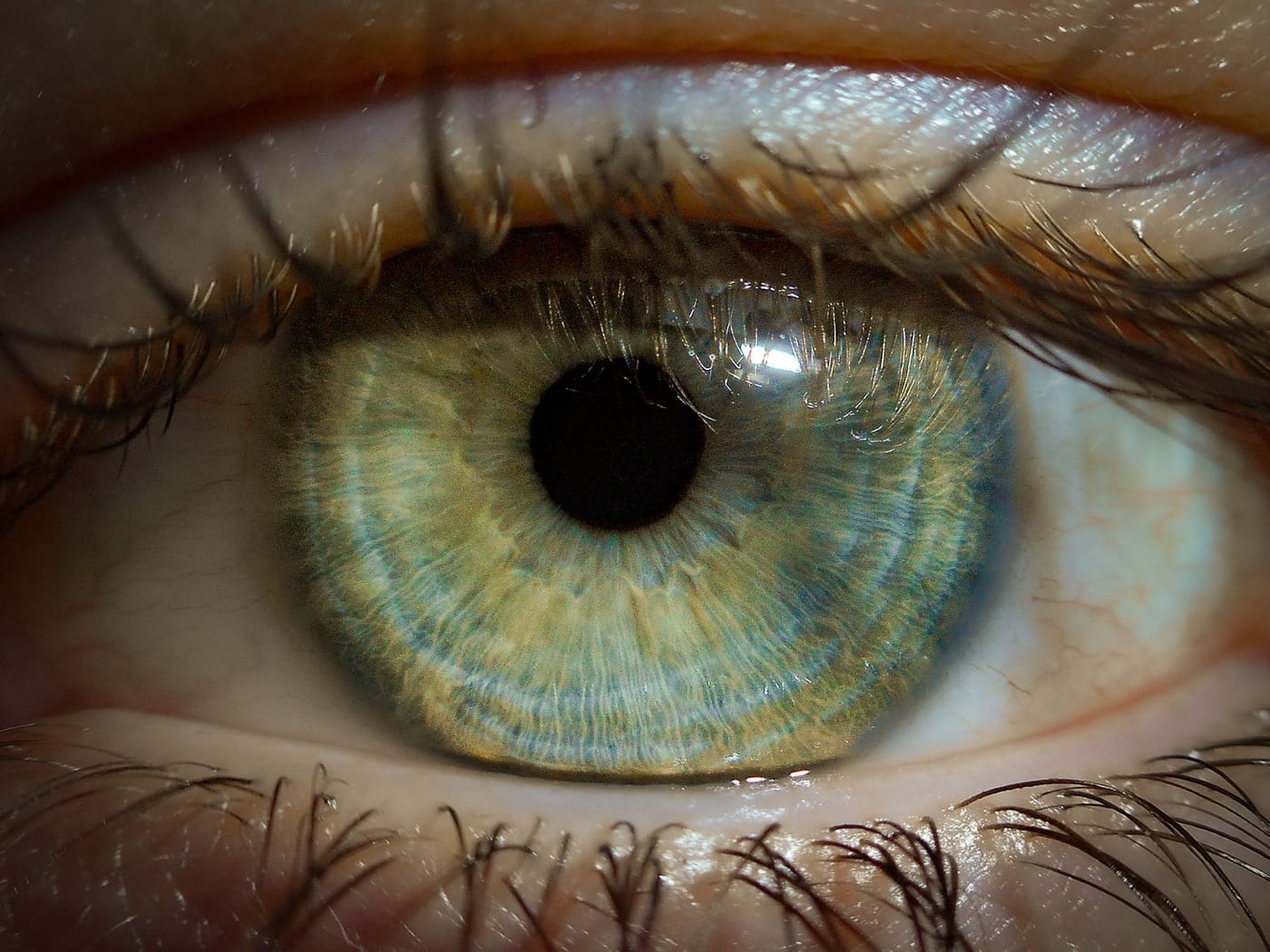
What Is a Corneal Abrasion?
A corneal abrasion is a scratch or scrape on the clear front surface of the eye (the cornea). Because the cornea is packed with nerve endings, even a shallow scratch is genuinely painful and causes tearing, light sensitivity, redness, and the feeling that something is stuck in the eye. Most small abrasions heal on their own within a few days, but a painful, scratched eye should be examined to rule out a retained foreign body, infection, or a deeper injury.
Key Takeaways
- A corneal abrasion is a scratch on the eye's clear front window, usually from a fingernail, tree branch, makeup brush, sand, or a contact lens.
- Typical symptoms are sharp pain, tearing, light sensitivity, redness, and a foreign-body sensation, often out of proportion to the size of the scratch.
- Most uncomplicated abrasions heal within one to three days as the surface skin (epithelium) grows back.
- Contact lens wearers with a painful red eye need same-day care, because a scratch can become a sight-threatening infection.
- Red flags: worsening pain after a day or two, a white or cloudy spot on the cornea, pus, or blurring vision all warrant prompt evaluation.
Why Patients Ask This Question
People search this after something suddenly went wrong with one eye. A branch snapped back on a walk, a fingernail caught the eye, or grit blew in, and now the eye pours tears, hurts with every blink, and cannot tolerate light. It feels alarming and disabling, and patients want to know whether it is a simple scratch that will heal or something that could threaten their sight.
What This Means for Your Eyes
The cornea is the transparent dome at the front of the eye that focuses light. Its outer layer, the epithelium, is a thin skin that protects the eye and is richly supplied with nerves. An abrasion strips away part of this layer, exposing the nerves underneath, which is why a small scratch hurts so much and makes the eye water and shy away from light.
When the scratch is over the central cornea, vision can blur until it heals. The good news is that the corneal epithelium regenerates quickly. A clean, shallow abrasion usually resurfaces within a day or two, and comfort improves steadily as it does. Problems arise only when the scratch gets contaminated, when a foreign body stays trapped under the lid, or when the injury is deeper than the surface layer.
Detailed Explanation
Corneal abrasions happen when something mechanically removes part of the epithelial surface. Common culprits include fingernails (often a child's or an infant's), paper edges, makeup applicators, tree branches, airbag deployment, and foreign particles such as sawdust, metal, or sand that scrape the surface as you blink. Contact lenses are another frequent cause, either from a torn lens, an overworn lens, or debris trapped underneath.
Healing depends on the depth and cleanliness of the injury. The epithelium slides over and fills in a defect quickly, and most simple abrasions close within 24 to 72 hours. Larger or dirtier abrasions take longer. A minority of patients, particularly after a sharp injury from a fingernail or paper, go on to develop recurrent erosions, where the healed surface breaks down again, classically causing sharp pain on first opening the eyes in the morning. The main danger with any abrasion is secondary infection, which can turn a self-limited scratch into a corneal ulcer that scars and permanently blurs vision.
When This May Be Serious
Most abrasions are not dangerous, but seek prompt care if you notice any of the following:
- Pain that worsens after the first day or two instead of improving.
- A white, gray, or cloudy spot on the normally clear cornea.
- Discharge or pus, increasing redness, or vision that is getting worse.
- The injury involved a contact lens, or organic material like a branch, plant, or soil.
- The scratch came from metal grinding, a high-speed particle, or a chemical splash.
A contact lens wearer with a painful red eye should be treated as urgent, because contact-lens-related infections can damage sight within days.
How an Ophthalmologist Evaluates This
The exam starts with your vision and a careful history of how and when the injury happened. The key step is a slit-lamp examination using a fluorescein dye: a drop of orange dye stains the area where the surface skin is missing, and it lights up bright green under a blue light, showing the size, shape, and depth of the abrasion. The doctor also flips the upper eyelid to look for a trapped foreign body, checks for any sign of infection such as a white infiltrate, and measures how deep the injury goes. This lets us tell a simple healing scratch apart from an early corneal ulcer that needs aggressive treatment.
Treatment Options
Treatment matches the injury. A simple, clean abrasion is often managed with a lubricating ointment or antibiotic drops to keep the surface moist and guard against infection while it heals, and the eye usually feels much better within a day or two. Any foreign body found under the lid or on the cornea is removed. Pain can be eased with cool compresses, over-the-counter pain relievers, and sometimes drops that relax the eye's focusing muscle to reduce the deep ache. Larger abrasions may be rechecked in a day to confirm healing. Contact lenses are stopped until the eye is fully healed and cleared by the doctor. If an infection is suspected, treatment becomes more intensive with frequent antibiotic drops and close follow-up.
What You Should Not Do
- Do not rub the eye; rubbing can enlarge the scratch or dislodge healing tissue.
- Do not wear contact lenses until an eye doctor confirms the cornea has fully healed.
- Do not use numbing (anesthetic) eye drops repeatedly to control pain, as they are toxic to the cornea and delay healing.
- Do not reach for old, leftover prescription drops, especially steroid drops, without direction, since steroids can worsen an infection.
- Do not ignore pain that is getting worse or a new white spot on the eye by assuming it will just heal.
When to Call May Eye Care Center
Call us for a same-day visit if a scratched eye is severely painful, if you wear contact lenses, if vision is blurred, or if the injury came from a branch, metal, or chemical. Patients throughout the Hanover area can be seen promptly for eye injuries. Go to an emergency room for a chemical splash (after immediately flushing the eye with water for at least 15 minutes) or for any injury that penetrates the eye.
Bottom Line
A corneal abrasion is a painful but usually short-lived scratch on the eye's surface that most often heals within a few days. Because a scratch can occasionally turn into an infection, a painful or contact-lens-related red eye deserves a prompt exam at May Eye Care Center.
This page also answers
- Why does my eye feel scratched or irritated?
- Can a corneal problem blur vision?
- When is a painful red eye urgent?
- How does an eye doctor examine the cornea?
- Can corneal disease require surgery?
- When should this be checked urgently?
- What testing helps confirm the diagnosis?
- What treatments are available?
- What should patients avoid doing at home?
Medical sources
This article is for educational purposes only and is not a diagnosis, treatment plan, or substitute for an eye examination by a qualified eye doctor. Eye symptoms can have many causes, and some problems can threaten vision if they are not treated promptly. Do not diagnose or treat yourself based only on online information. If you have eye pain, sudden vision loss, flashes, new floaters, a curtain or shadow in your vision, double vision, chemical exposure, trauma, severe redness, light sensitivity, or any concerning eye symptom, seek urgent medical eye care or emergency care.
Schedule your eye exam at May Eye Care Center in Hanover, PA
Serving York, Gettysburg, Adams County, and northern Maryland (driving distances). Call (717) 637-1919 or explore more about cornea at our practice.
Call (717) 637-1919