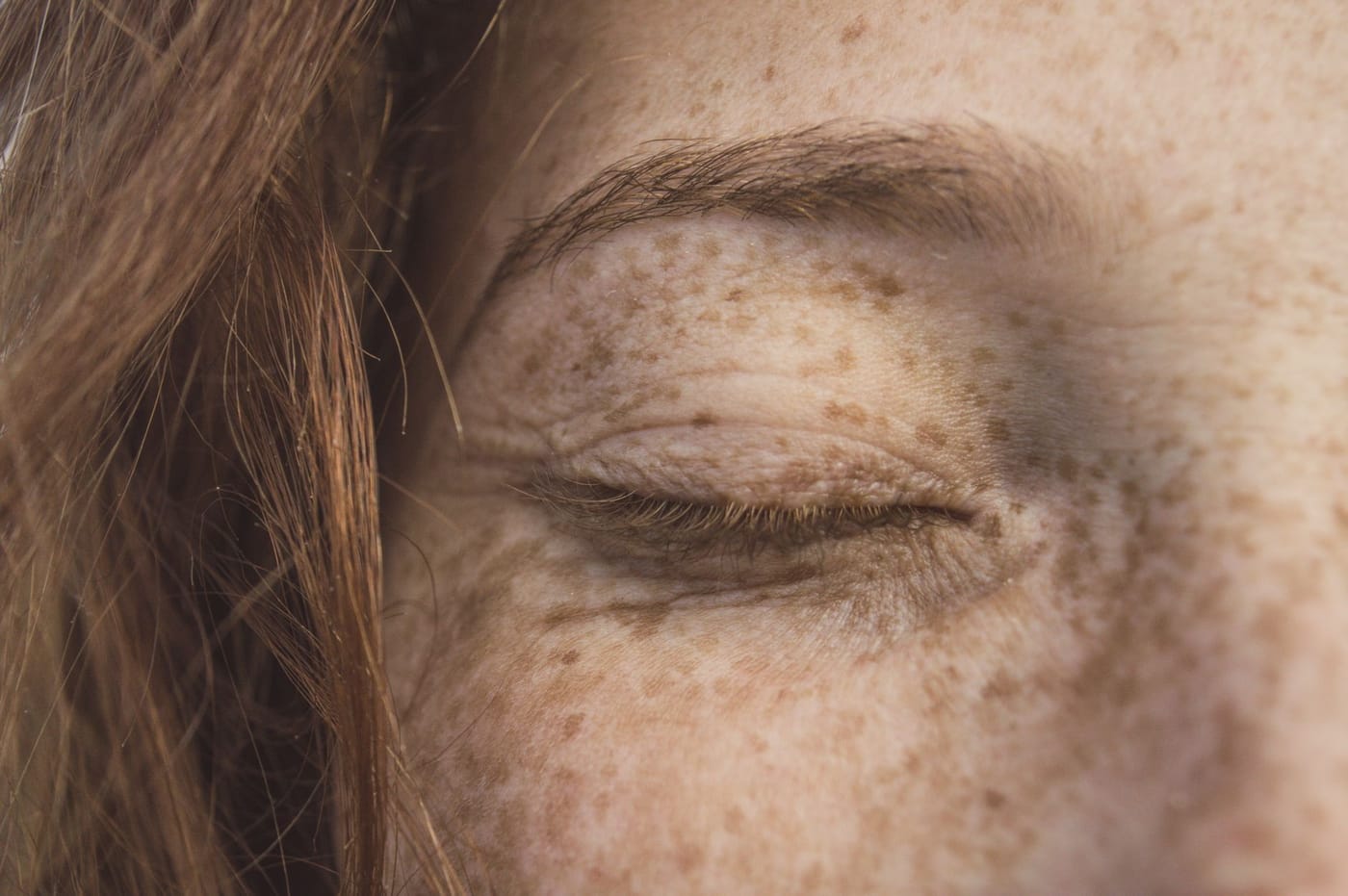
Why Are My Eyelids Drooping?
Most drooping upper eyelids come from a stretched or detached tendon (the levator aponeurosis) that lifts the lid — a slow, painless change linked to age, eye rubbing, contact lens wear, or prior eye surgery. That kind is not dangerous. But a lid that droops suddenly, especially with double vision, a pupil larger than the other, or a severe headache, can signal a nerve problem or aneurysm and needs emergency care the same day.
Key Takeaways
- The medical name is ptosis; the most common cause is age-related loosening of the tendon that raises the lid.
- Gradual, painless drooping is usually benign but can block the top of your vision if it reaches the pupil.
- A lid that suddenly drops with double vision, a larger pupil, or severe headache may mean a third-nerve palsy or aneurysm — this is an emergency.
- Drooping that worsens through the day or comes with other weakness can point to myasthenia gravis.
- Contact lens wearers and frequent eye-rubbers develop ptosis earlier.
- A droopy lid that blocks reading or driving can often be repaired surgically.
Why Patients Ask This Question
People notice in a photo or mirror that one eye looks smaller or sleepier, or that they are lifting their brows and tilting their head back to see. Some feel upper lashes in their line of sight or lose the top of the page while reading. The worry starts as cosmetic, but many rightly wonder whether it signals a nerve problem or stroke — which is the correct question to ask when the change is sudden.
What This Means for Your Eyes
The upper lid is held open mainly by the levator muscle and its tendon. When that tendon stretches or detaches, the lid rides low even though the muscle still works — which is why age-related ptosis is so common and usually harmless.
If the lid edge drops far enough to cover the pupil, it blocks the upper part of your visual field, and you may raise your brows constantly, causing forehead fatigue and headaches. When ptosis instead comes from a nerve or muscle disorder, the drooping is a symptom of that problem, and the pattern of other findings — pupil size, eye movements, timing — tells the doctor which cause is in play.
Detailed Explanation
Aponeurotic (age-related) ptosis is by far the most common: the levator tendon thins or slips off its attachment, so the lid sits low while the muscle still functions. It is accelerated by eye rubbing, long-term contact lens wear, and prior eye surgery. Mechanical ptosis occurs when a lid mass, swelling, or scarring physically drags the lid down.
Neurogenic ptosis comes from the nerves controlling the lid. A third cranial nerve palsy causes ptosis often with the eye turned out and down and sometimes a dilated pupil — the pupil finding raises concern for a compressing aneurysm. Horner syndrome causes mild ptosis with a smaller pupil on the same side. Myasthenia gravis causes fluctuating ptosis that worsens with fatigue, often with double vision. Congenital ptosis, present from birth, needs attention in children because a lid covering the pupil can prevent normal vision from developing.
When This May Be Serious
Seek emergency care if a drooping lid appears suddenly, especially with any of these:
- New double vision
- A pupil noticeably larger than the other
- Severe or "worst ever" headache
- Facial droop, arm or leg weakness, or slurred speech
- Eye pain or the eye turning outward
Have it checked soon if drooping worsens through the day (possible myasthenia) or covers the pupil and blocks vision. Gradual, painless, stable drooping without these features is not an emergency but still deserves a routine exam.
How an Ophthalmologist Evaluates This
The exam starts with timing and pattern: one eye or both, sudden or gradual, and whether it fluctuates. The doctor measures how high the lid sits and how well the levator moves, and critically checks the pupils and eye movements. A large pupil with ptosis and an eye that will not move normally points toward a third-nerve problem and prompts urgent brain and vessel imaging (CT/CTA or MRI/MRA). A small pupil suggests Horner syndrome. Fluctuating drooping prompts testing for myasthenia gravis. For routine age-related ptosis, the workup is mainly measurement, plus visual-field testing when surgery is planned.
Treatment Options
Treatment depends on the cause. Age-related ptosis is corrected surgically by reattaching or tightening the levator tendon, or with a small internal (Muller's muscle) procedure; results are usually excellent and can be functional as well as cosmetic, and a brow lift may be added when heavy brows contribute.
Neurogenic and muscular causes are treated by addressing the underlying condition first — for example, managing myasthenia gravis or an aneurysm — before any lid surgery. In children with congenital ptosis covering the pupil, earlier surgery protects developing vision. Look-alikes such as excess folding skin (dermatochalasis) are treated with blepharoplasty rather than ptosis repair, which is why accurate diagnosis matters.
What You Should Not Do
- Do not assume sudden drooping is "just tiredness" — new ptosis with double vision or a big pupil is an emergency.
- Do not tape or glue the lid up as a long-term fix; it does not treat the cause.
- Do not rub your eyes; chronic rubbing stretches the tendon that holds the lid up.
- Do not delay a child's evaluation if a lid covers the pupil, since untreated it can harm vision development.
- Do not rely on cosmetic "lid lift" products instead of a real exam when the cause is unknown.
When to Call May Eye Care Center
Call May Eye Care Center for a droopy lid that is new, worsening, or affecting your reading or driving, and we can sort out whether it is a simple tendon problem or something needing closer attention. If drooping comes on suddenly with double vision, an enlarged pupil, severe headache, or any weakness or speech trouble, treat it as an emergency and go to the nearest emergency department rather than waiting. Patients across the Hanover area are welcome to reach us.
Bottom Line
A slowly drooping upper lid is usually a stretched tendon and can be repaired when it bothers you or blocks vision, but a sudden droop with double vision, a large pupil, or headache is a medical emergency — when in doubt about how fast it happened, get it examined promptly.
This page also answers
- What causes tearing in adults?
- When is an eyelid bump more than a stye?
- Can droopy eyelids affect vision?
- What eyelid symptoms require an ophthalmologist?
- How are eyelid problems treated?
- When should this be checked urgently?
- What testing helps confirm the diagnosis?
- What treatments are available?
- What should patients avoid doing at home?
Medical sources
This article is for educational purposes only and is not a diagnosis, treatment plan, or substitute for an eye examination by a qualified eye doctor. Eye symptoms can have many causes, and some problems can threaten vision if they are not treated promptly. Do not diagnose or treat yourself based only on online information. If you have eye pain, sudden vision loss, flashes, new floaters, a curtain or shadow in your vision, double vision, chemical exposure, trauma, severe redness, light sensitivity, or any concerning eye symptom, seek urgent medical eye care or emergency care.
Schedule your eye exam at May Eye Care Center in Hanover, PA
Serving York, Gettysburg, Adams County, and northern Maryland (driving distances). Call (717) 637-1919 or explore more about eyelid & tearing at our practice.
Call (717) 637-1919