What Is Thyroid Eye Disease?
Thyroid eye disease is an autoimmune condition, usually linked to Graves' disease, in which the immune system inflames and swells the muscles and fatty tissue behind the eyes. As those tissues enlarge inside the rigid bony socket, the eyes are pushed forward (bulging), the upper lids pull back so more white shows, and swollen eye muscles can stop moving smoothly, causing double vision. In severe cases the swelling crowds the optic nerve and threatens sight.
Key Takeaways
- It is an autoimmune disease of the eye socket, usually tied to an overactive thyroid (Graves' disease), though it can occur with normal or low thyroid levels too.
- Common signs are bulging eyes, staring or retracted lids, redness and gritty irritation, and double vision from swollen eye muscles.
- It has an active inflammatory phase (months to a couple of years) followed by a stable phase; treatment differs between them.
- Smoking clearly worsens the disease and its response to treatment; quitting is one of the most important steps.
- Red flag: new dimming vision, faded color vision, or worsening double vision can mean the optic nerve is being compressed and needs urgent care.
Why Patients Ask This Question
Most people arrive after noticing their eyes look different in photos or the mirror: more prominent, more staring, or with white showing above the colored part. Others come because of constant redness, watering, a gritty feeling, or the first episodes of double vision. Many already know they have a thyroid problem and want to know whether their eyes and thyroid are connected.
What This Means for Your Eyes
The eye sits in a rigid bony socket packed with muscles and fat. In thyroid eye disease, antibodies trigger inflammation that makes those tissues swell and, over time, scar. Because the socket cannot expand, the pressure pushes the eyeball forward and pulls the lids open, which is why the eyes look bulging and staring.
That swelling has real consequences. Lids that no longer close fully leave the surface exposed and dry, causing burning, tearing, and light sensitivity. When eye muscles thicken and stiffen, the two eyes no longer point together, producing double vision that is often worse looking up or to the side. In the most serious form, swollen muscles at the back of the socket press on the optic nerve and quietly steal vision.
Detailed Explanation
The same antibodies that overstimulate the thyroid in Graves' disease also target cells in the eye socket, prompting them to multiply, swell, and lay down extra tissue. It most often appears with an overactive thyroid, but a minority of patients have normal or even low thyroid function, so normal blood work does not rule it out.
The condition usually moves through phases. During the active phase, inflammation is doing damage and symptoms change month to month, lasting from several months to roughly two years. Afterward comes a stable, burnt-out phase where inflammation settles but mechanical results such as bulging, lid position, or a fixed double vision may remain and can be corrected surgically. Risk factors for more severe disease include smoking, poorly controlled thyroid levels, and, in some patients, radioactive iodine treatment. Most cases are mild to moderate; a small percentage become sight-threatening.
When This May Be Serious
Thyroid eye disease is often mild, but certain changes signal the vision-threatening form and deserve prompt evaluation:
- New dimming of vision, washed-out or faded color vision, or a blind spot, which can mean the optic nerve is being compressed.
- Rapidly worsening bulging or double vision from week to week.
- Severe eye pain, or a cornea that cannot be kept moist because the lids will not close.
Any of these should be checked quickly, because optic nerve compression can cause permanent loss if not relieved.
How an Ophthalmologist Evaluates This
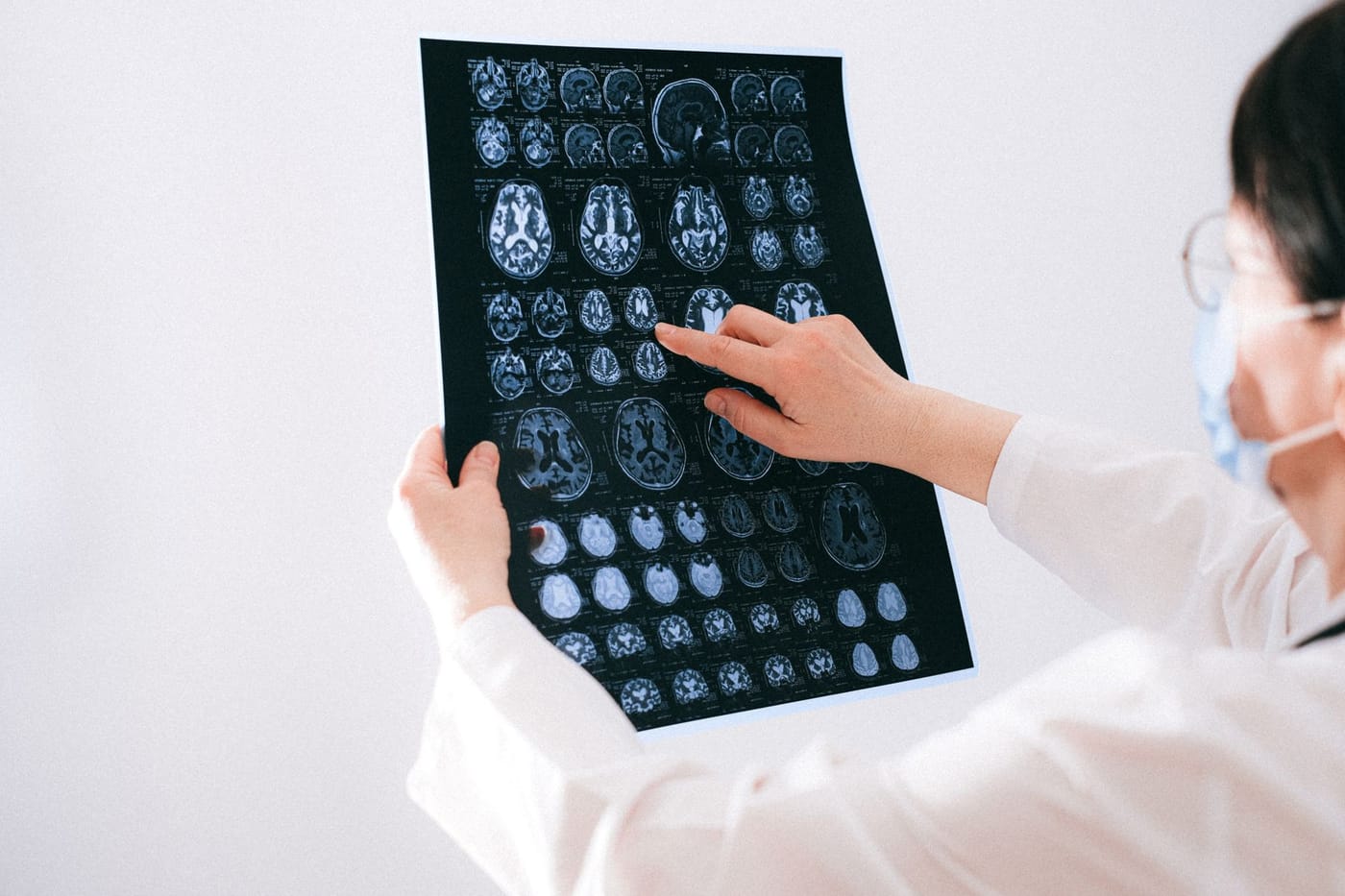
Evaluation centers on the structures the disease attacks. The doctor measures how far each eye protrudes, checks lid position and closure, and tests eye movements to map any double vision. Vision, color vision, and pupil responses are checked to detect early optic nerve stress, and the cornea is examined for exposure damage. Blood tests confirm thyroid hormone levels and antibodies, and when bulging, double vision, or optic nerve concern is present, a CT or MRI of the orbits shows how enlarged the eye muscles are and whether they are crowding the nerve.
Treatment Options
For mild disease, the mainstays are surface protection and comfort: artificial tears, lubricating ointment at night, shielding the eyes if the lids do not close, and sometimes prisms in glasses for double vision. Controlling thyroid levels and, above all, quitting smoking support every other treatment.
Active, moderate-to-severe inflammation may be treated with corticosteroids, and a targeted medication (teprotumumab) can reduce bulging and double vision in appropriate patients; some centers also use orbital radiotherapy. Once the disease is stable, mechanical problems are corrected surgically, usually in order: orbital decompression to reduce bulging, then eye-muscle surgery for double vision, then eyelid surgery. Urgent optic nerve compression may require high-dose steroids or decompression without delay.
What You Should Not Do
- Do not keep smoking or vaping; nothing else works as well while you smoke.
- Do not assume normalizing thyroid blood levels will fix the eyes, and do not stop monitoring the eyes once the thyroid is treated.
- Do not ignore new double vision, dimming vision, or fading colors, hoping they pass.
- Do not pursue cosmetic lid or bulging surgery during the active phase; those repairs are done once the disease is stable.
When to Call May Eye Care Center
If you have Graves' or other thyroid disease and notice your eyes bulging, staring, red, or not closing fully, schedule an evaluation so the eyes can be monitored alongside your thyroid care. Seek urgent care for new double vision, dimming or fading vision, loss of color, or severe pain. May Eye Care Center serves the Hanover, Pennsylvania area and can coordinate with your endocrinologist and, when needed, an orbital specialist.
Bottom Line
Thyroid eye disease is autoimmune inflammation of the tissues around the eye that causes bulging, lid retraction, and double vision, and while most cases are mild, the severe form can threaten the optic nerve and needs prompt attention.
Frequently asked questions
01Can thyroid disease cause bulging eyes or double vision?
Yes. In thyroid eye disease — usually linked to Graves' disease — the immune system inflames and swells the muscles and fat behind the eye. That swelling pushes the eye forward (bulging) and stiffens the eye muscles so the two eyes stop moving together, causing double vision. New double vision deserves prompt evaluation, and dimming vision or fading colors is urgent, because severe swelling can press on the optic nerve.
This page also answers
- Can autoimmune disease affect the eyes?
- When is red painful light-sensitive eye urgent?
- Can thyroid disease cause bulging eyes or double vision?
- What tests are used for inflammatory eye disease?
- Can eye inflammation threaten vision?
- When should this be checked urgently?
- What testing helps confirm the diagnosis?
- What treatments are available?
- What should patients avoid doing at home?
Medical sources
This article is for educational purposes only and is not a diagnosis, treatment plan, or substitute for an eye examination by a qualified eye doctor. Eye symptoms can have many causes, and some problems can threaten vision if they are not treated promptly. Do not diagnose or treat yourself based only on online information. If you have eye pain, sudden vision loss, flashes, new floaters, a curtain or shadow in your vision, double vision, chemical exposure, trauma, severe redness, light sensitivity, or any concerning eye symptom, seek urgent medical eye care or emergency care.
Schedule your eye exam at May Eye Care Center in Hanover, PA
Serving York, Gettysburg, Adams County, and northern Maryland (driving distances). Call (717) 637-1919 or explore more about neuro-ophthalmology at our practice.
Call (717) 637-1919