Can UV Rays cause Cataracts?
Yes — long-term ultraviolet exposure is a well-established contributor to cataracts. The cornea and the natural lens absorb nearly all of the sun’s UV before it can reach the retina, and years of that absorbed energy help cloud the lens. UV protection is one of the few cataract risk factors you can control: wear sunglasses that block 99–100% of UVA and UVB, add a brimmed hat outdoors, and protect children’s eyes too — the damage accumulates over a lifetime, even on cloudy days.
§Read video transcript
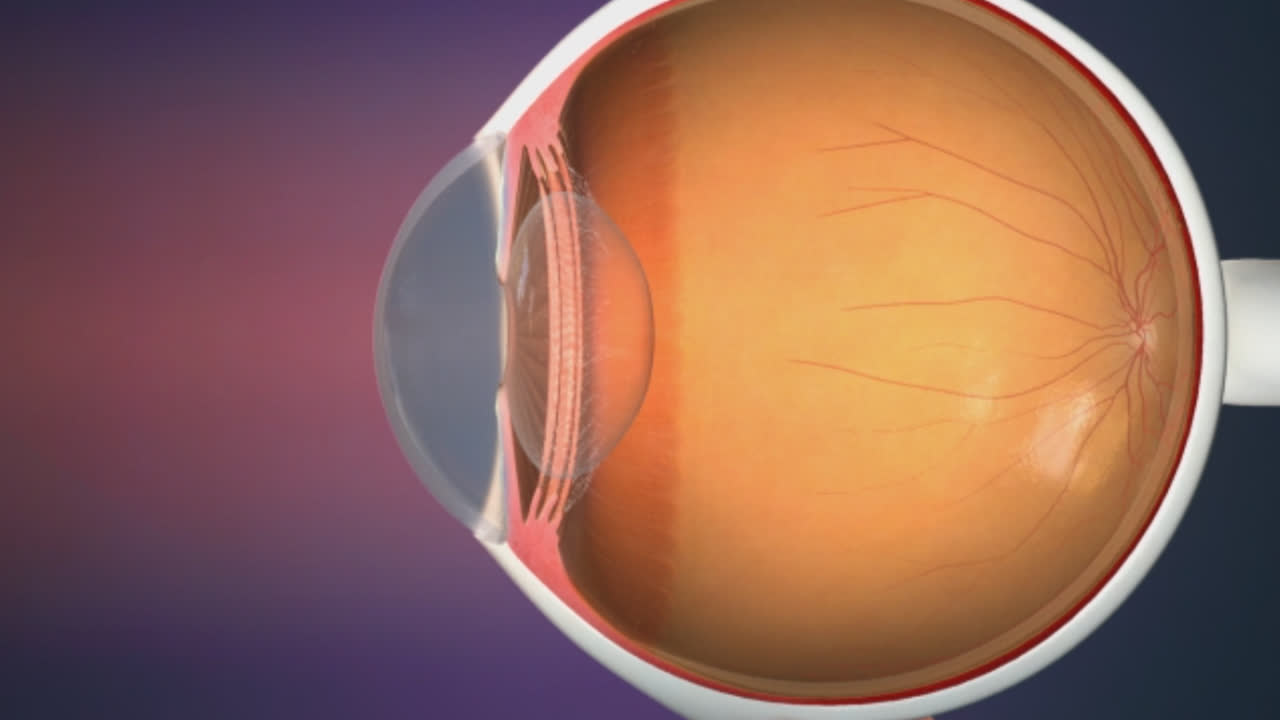
Every day the sun rises and gives us light to see. A sunrise or sunset can be beautiful to watch, but the sun can also damage your eyesight with ultra-violet radiation, or UVR. Your eye is made up of various layers of tissues. These tissues absorb different wave lengths of UVR. Smaller UVR rays or UVA, are mainly absorbed by the retina, while longer ones, or UVB, are absorbed by the lens and cornea. UVR often damages the tissues of the eye and has been linked to causing cataracts. In order to protect yourself outdoors from UVR damage, doctors suggest that you wear sunglasses with a UV filter to shade your eyes from the potential damage of ultra-violet radiation. For more information, ask your doctor for the best ways to protect your eyesight from ultra-violet radiation.
Medical sources
- aao.org/eye-health/diseases/what-are-cataracts
- nei.nih.gov/eye-health-information/eye-conditions-and-diseases/cataracts
This page and video are for general patient education and are not a substitute for a medical examination, diagnosis, or treatment. Eye conditions vary by individual. For advice about your eyes, schedule an evaluation with May Eye Care Center. In an emergency, call 911.
Schedule your eye exam at May Eye Care Center in Hanover, PA
Serving York, Gettysburg, Adams County, and northern Maryland (driving distances). Call (717) 637-1919 or explore more about cataract surgery at our practice.
Call (717) 637-1919