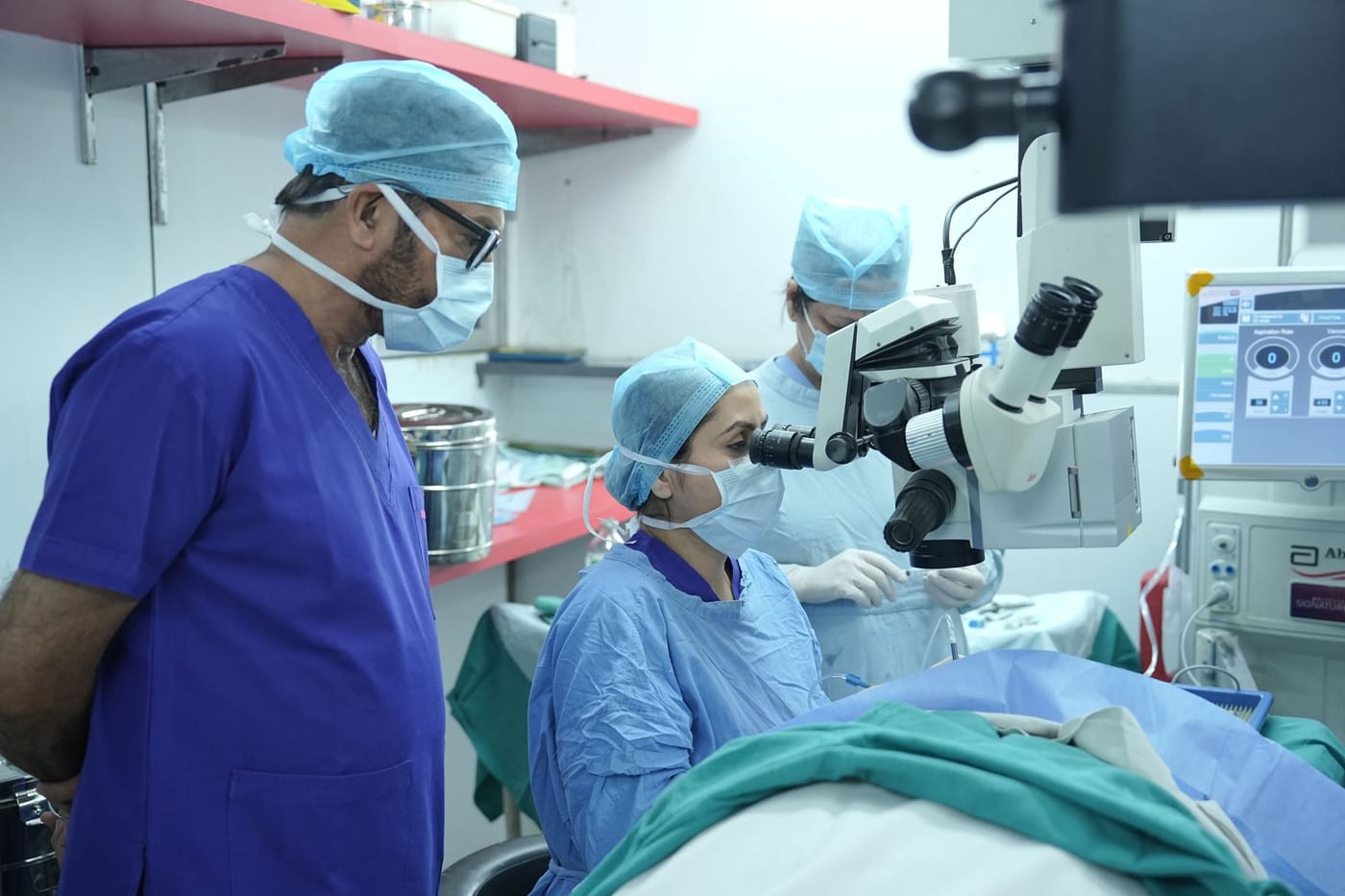
Can an intraocular lens implant become displaced?
Yes, though it is uncommon. An intraocular lens (IOL) can shift, tilt, or dislocate when the capsule or the tiny fibers that support it weaken from trauma, inflammation, prior surgery, connective-tissue disorders, or conditions like pseudoexfoliation. This can happen weeks to years after surgery. Warning signs include blurred or double vision, glare, or seeing the edge of the lens. Don't dismiss these as needing new glasses; a dilated exam determines whether observation, laser, glasses, or surgery is right.
§Read video transcript
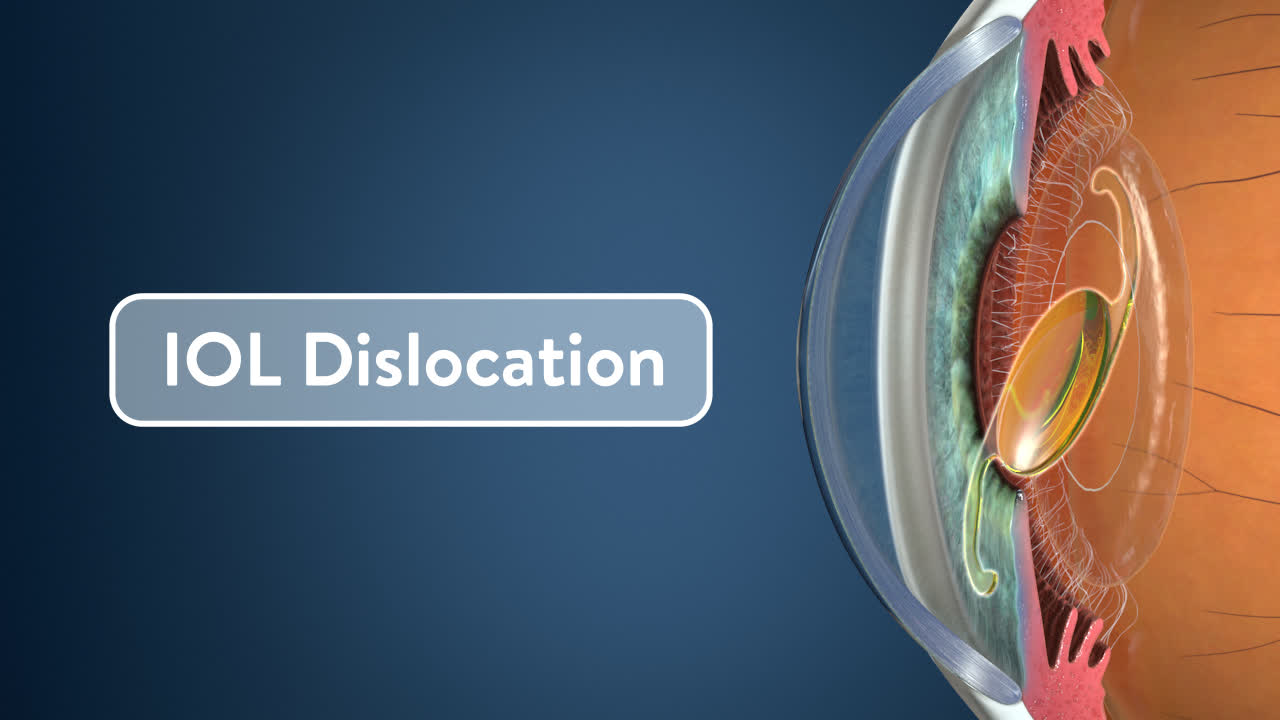
Are you considering lens replacement surgery? When this procedure is performed, the eye’s natural lens is replaced with an artificial one called an intraocular lens implant, or IOL. Although technological advancements have greatly reduced the risk of adverse outcomes, surgical procedures can still have uncommon complications. One rare complication of lens replacement is IOL dislocation. When the lens is replaced during surgery, the new lens implant requires the support of the eye’s capsular bag, the sac-like structure left behind when the eye’s natural lens is removed. IOL dislocation occurs when the capsular bag is no longer able to support the new lens. This typically occurs in one of two ways. The lens may slip out of the capsular bag, or the fibers holding the capsular bag in place may degrade and stop providing adequate support. Causes of IOL dislocation include eye injuries, inflammation, connective tissue disorders, and other causes. When the IOL moves out of place, patients may experience changes in vision such as blurring, sensitivity to light, blind spots, or double vision. Some patients who experience dislocation have noted an ability to see the edges of their lens implant. Dislocation can occur anywhere from weeks to years after surgery. If you experience any of these symptoms, contact your doctor, who will conduct a comprehensive eye examination to help diagnose the problem. In some cases, the issue is simply monitored and no treatment is necessary. In other cases, when the dislocation creates more significant vision problems, minor surgical procedures can correct or replace the dislocated implant. Early diagnosis can help improve your vision sooner. Ask us if you have questions about your lens replacement surgery.
Medical sources
- aao.org/eye-health/diseases/cataracts-iol-implants
- aao.org/eye-health/tips-prevention/best-artificial-lens-implant-iol-cataract-surgery
This page and video are for general patient education and are not a substitute for a medical examination, diagnosis, or treatment. Eye conditions vary by individual. For advice about your eyes, schedule an evaluation with May Eye Care Center. In an emergency, call 911.
Schedule your eye exam at May Eye Care Center in Hanover, PA
Serving York, Gettysburg, Adams County, and northern Maryland (driving distances). Call (717) 637-1919 or explore more about cataract surgery at our practice.
Call (717) 637-1919