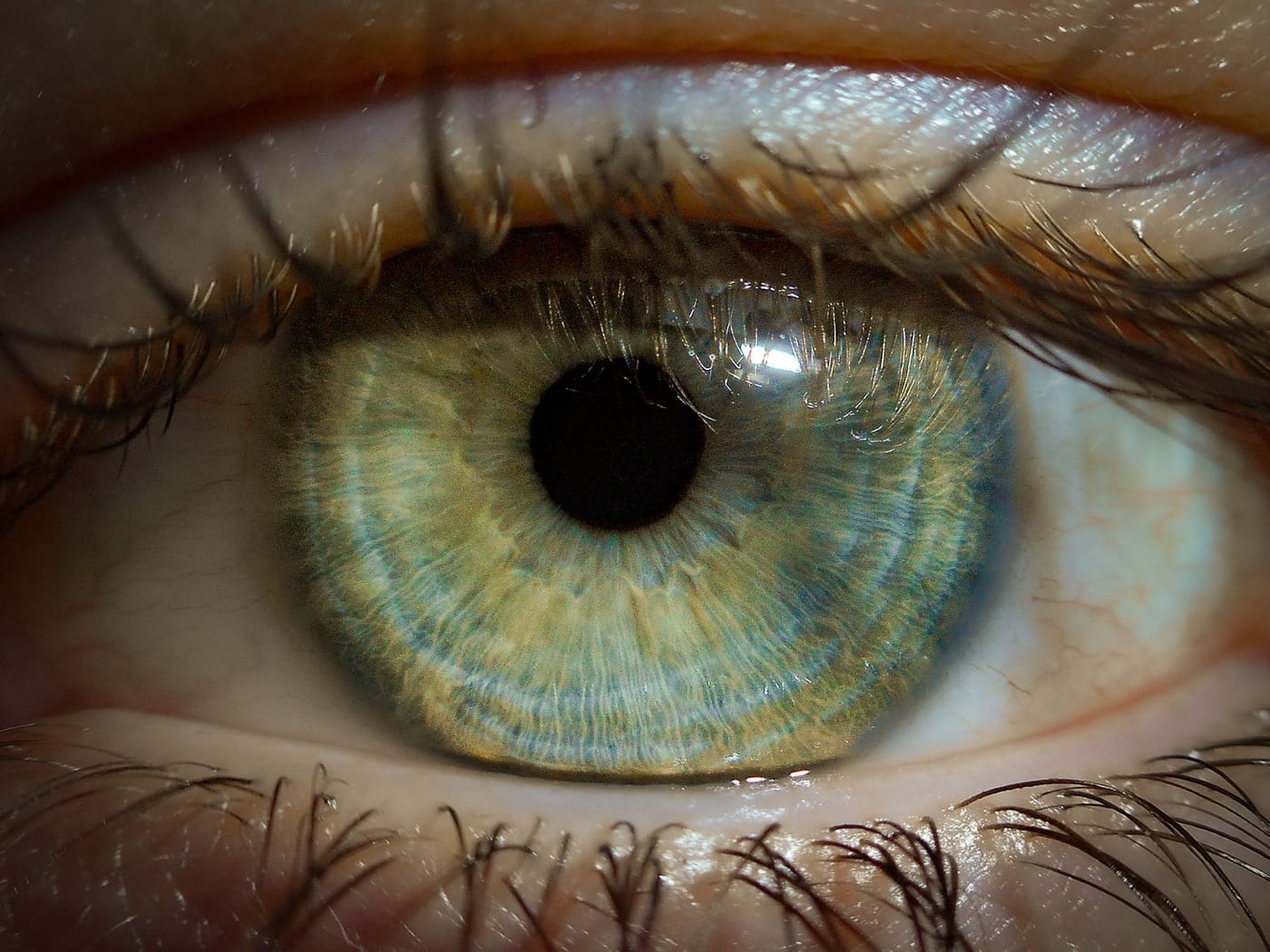
What Is Keratitis?
Keratitis is inflammation of the cornea, the clear front window of the eye. It can be caused by infection (bacteria, viruses, fungi, or a parasite called Acanthamoeba) or by non-infectious triggers such as dry eye, injury, or overworn contact lenses. Infectious keratitis, especially the contact-lens-related kind, is potentially sight-threatening: a painful, red, light-sensitive eye with blurred vision needs same-day evaluation, because a corneal ulcer can scar the eye permanently within days.
Key Takeaways
- Keratitis means an inflamed cornea; it can be infectious or non-infectious.
- Contact lens wear, especially sleeping in lenses or poor lens hygiene, is a major risk factor for microbial keratitis.
- Typical symptoms are eye pain, redness, light sensitivity, tearing, discharge, and blurred vision, usually in one eye.
- A white or gray spot on the cornea can indicate a corneal ulcer, which is a medical emergency.
- Prompt treatment matters: untreated infectious keratitis can scar the cornea and cause lasting vision loss, so a painful red eye in a contact lens wearer needs same-day care.
Why Patients Ask This Question
Patients usually arrive with one eye that is red, aching, watering, and painfully sensitive to light, and vision that has gone blurry. Many are contact lens wearers who slept in their lenses or stretched them past their replacement date, and they are frightened that they might be losing sight in the eye. They want to know what keratitis is and how serious their situation is.
What This Means for Your Eyes
The cornea is normally crystal clear so light can pass cleanly to the back of the eye. When it becomes inflamed or infected, it can swell, cloud, and develop a defect or ulcer, which scatters light and blurs vision. Because the cornea is loaded with nerves, this inflammation is typically quite painful and makes the eye recoil from light.
The stakes depend on the cause. Non-infectious keratitis from dryness or minor irritation is uncomfortable but usually mild. Infectious keratitis is different: microbes can rapidly eat into the corneal tissue, and if the infection reaches the visual center of the cornea and heals with a scar, vision can be permanently reduced. In the worst cases, a deep infection can perforate the eye. This is why keratitis is taken seriously and treated urgently when infection is suspected.
Detailed Explanation
Infectious keratitis is caused by organisms breaching the corneal surface. Bacteria are the most common cause and can progress fast, especially in contact lens wearers. Herpes simplex virus is a frequent viral cause and tends to recur in the same eye, sometimes leaving a branching pattern on the cornea and, over time, scarring and reduced sensation. Fungal keratitis is more likely after injury with plant or organic matter. Acanthamoeba, a waterborne parasite, is a serious risk for lens wearers who swim, shower, or use tap water with their lenses, and it causes severe pain.
Risk factors are dominated by contact lenses: sleeping in lenses, overwearing them, poor case hygiene, rinsing lenses or cases in tap water, and swimming in lenses all raise the risk sharply. Other risks include eye injury, ocular surface disease, dry eye, a weakened immune system, and prior herpes infection. Non-infectious keratitis can come from severe dryness, exposure when the lids do not close fully, ultraviolet light (welder's or snow-related flash burn), or a reaction to something in the eye. The typical course of infectious keratitis is rapid worsening over hours to days, which is exactly why early treatment is critical.
When This May Be Serious
Infectious keratitis is a true ocular urgency. Seek same-day care for:
- A painful, red eye with light sensitivity and blurred vision, especially in a contact lens wearer.
- A visible white, gray, or cloudy spot on the cornea (a possible ulcer).
- Thick discharge, rapidly worsening pain, or vision that is dropping.
- Severe, out-of-proportion pain, which can point to an Acanthamoeba infection.
- Any of these after an eye injury with plant material.
Do not watch these for days. Delay is the main reason keratitis causes permanent scarring and vision loss.
How an Ophthalmologist Evaluates This
The doctor checks your vision and examines the cornea closely at the slit lamp, using fluorescein dye to reveal any surface defect or ulcer and to map its size, depth, and location. The pattern of the inflammation offers clues to the cause, such as the branching figure of herpes or a dense white infiltrate typical of a bacterial ulcer. When an infectious ulcer is suspected, corneal scrapings may be taken for culture to identify the exact organism and guide treatment, and contact lenses and their cases can be cultured too. The doctor also assesses whether the infection is threatening the central, sight-critical cornea and monitors closely over the following days.
Treatment Options
Treatment depends on the cause and must be started quickly. Bacterial keratitis is treated with intensive antibiotic eye drops, often given every hour around the clock at first, then tapered as the infection responds. Herpes (viral) keratitis is treated with antiviral drops or pills. Fungal and Acanthamoeba infections require specialized, prolonged antimicrobial therapy and are more difficult to treat. Steroid drops are used cautiously and only under an eye doctor's direction, because they can worsen certain infections. Non-infectious keratitis from dryness or exposure is managed by aggressively treating the underlying surface problem. Severe cases that scar or perforate the cornea may ultimately need a corneal transplant. Close follow-up during treatment is essential to confirm the infection is clearing.
What You Should Not Do
- Do not keep wearing contact lenses, and do not put a lens back into a painful, red eye.
- Do not delay care hoping a painful red eye will settle on its own; infectious keratitis worsens with time.
- Do not use leftover steroid drops on your own, which can dramatically worsen an infection.
- Do not rinse contact lenses or their cases with tap water, or swim, shower, or sleep in lenses.
- Do not rely on redness-reducing drops to mask the problem instead of getting it diagnosed.
When to Call May Eye Care Center
Call for same-day care if you have a painful, red, light-sensitive eye with blurred vision, particularly if you wear contact lenses or see a white spot on the eye. Patients across the Hanover area can be seen urgently for these infections. If you cannot be seen quickly and the eye is rapidly worsening, go to an emergency room, because timely treatment protects your sight.
Bottom Line
Keratitis is inflammation of the cornea that ranges from mild irritation to a sight-threatening infection, and the contact-lens-related form is a same-day emergency. A painful, red, light-sensitive eye should be evaluated right away at May Eye Care Center rather than watched.
Frequently asked questions
01When is a painful red eye urgent?
Severe eye pain and light sensitivity combined with redness are warning signs that deserve urgent eye care. A painful red eye is also urgent when it follows chemical exposure or trauma, or comes with sudden vision loss, new flashes or floaters, or double vision. These symptoms should not be watched for days; they need prompt medical evaluation.
This page also answers
- Why does my eye feel scratched or irritated?
- Can a corneal problem blur vision?
- When is a painful red eye urgent?
- How does an eye doctor examine the cornea?
- Can corneal disease require surgery?
- When should this be checked urgently?
- What testing helps confirm the diagnosis?
- What treatments are available?
- What should patients avoid doing at home?
Medical sources
- aao.org/eye-health/diseases/corneal-ulcer
- mayoclinic.org/diseases-conditions/keratitis/symptoms-causes/syc-20374110
This article is for educational purposes only and is not a diagnosis, treatment plan, or substitute for an eye examination by a qualified eye doctor. Eye symptoms can have many causes, and some problems can threaten vision if they are not treated promptly. Do not diagnose or treat yourself based only on online information. If you have eye pain, sudden vision loss, flashes, new floaters, a curtain or shadow in your vision, double vision, chemical exposure, trauma, severe redness, light sensitivity, or any concerning eye symptom, seek urgent medical eye care or emergency care.
Schedule your eye exam at May Eye Care Center in Hanover, PA
Serving York, Gettysburg, Adams County, and northern Maryland (driving distances). Call (717) 637-1919 or explore more about cornea at our practice.
Call (717) 637-1919