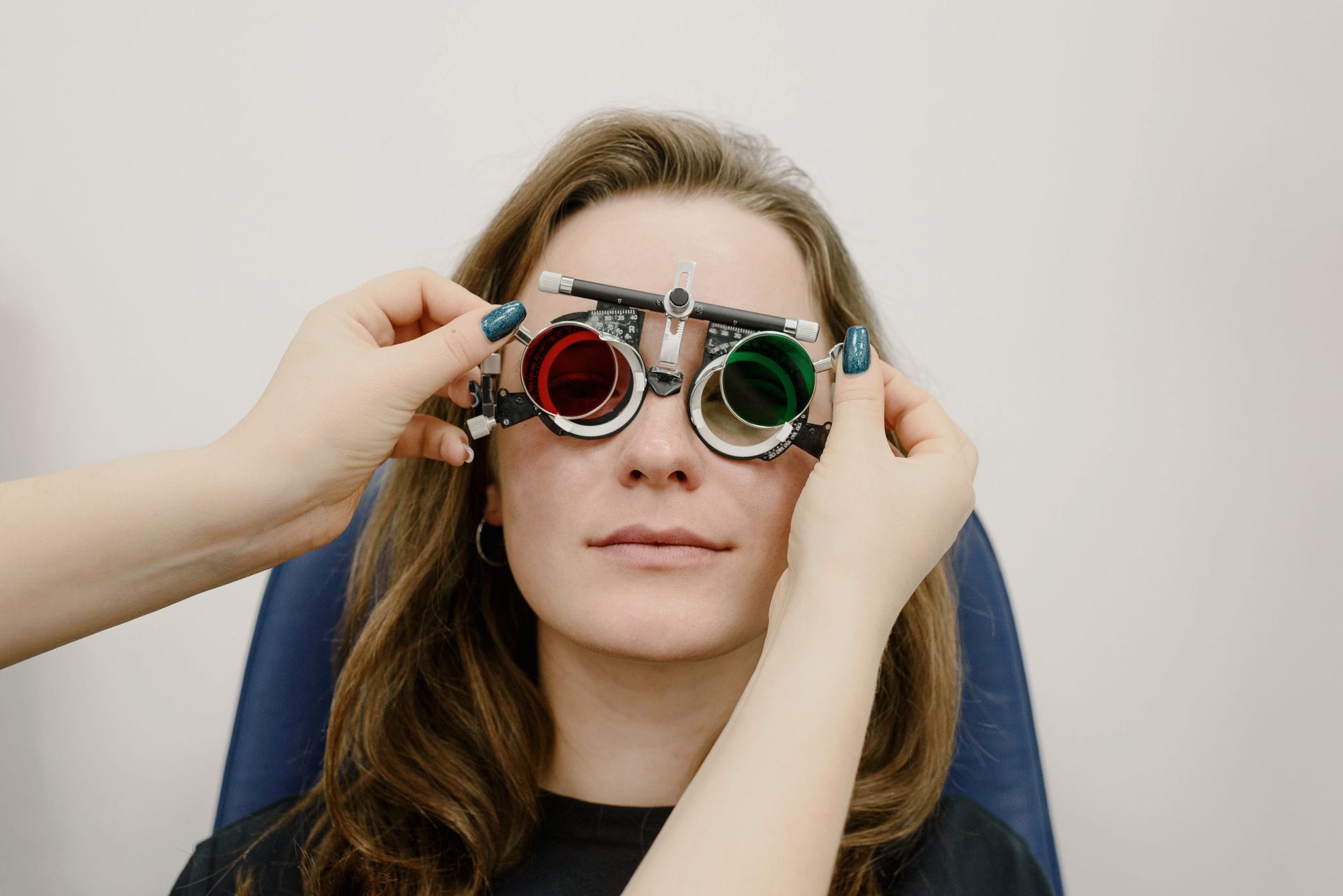
Eye Exams & Everyday Vision in Hanover, PA
Most eye disease is silent at first. A comprehensive, dilated eye exam is how glaucoma, diabetic changes, and retinal problems get caught while they are still easy to treat — often before you notice anything at all.
This section answers the questions patients ask about the exam itself: how often to come in, why dilation matters, what OCT scans, visual field tests, corneal topography, and pressure checks actually measure, and what “20/20” does and does not mean. An eye exam is also a genuine health check — the eye is the one place in the body where blood vessels and a nerve can be examined directly, which is why an exam can surface signs of high blood pressure, diabetes, and occasionally more urgent problems.
It also covers everyday vision: why a glasses prescription keeps changing, why new glasses can take getting used to, why reading gets harder after 40, and the practical questions about progressive lenses, squinting, and whether glasses weaken your eyes (they do not). The screen-time answers separate real, treatable digital eye strain from the myths.
Finally, the prevention and medication-safety answers cover what is actually worth doing — sunglasses, not smoking, sensible screen habits — and which medications, like steroids and hydroxychloroquine (Plaquenil), genuinely require scheduled eye monitoring. There is very little hype in eye care that survives a careful exam; these answers aim to tell you plainly what matters and what does not, from our practice in Hanover, PA — serving York, Gettysburg, Adams County, and northern Maryland.
Eye Exams & Vision, explained.
30 plain-English answers reviewed by our doctors — 3 with short videos from Dr. May.
Ready to see
the world clearly?
Schedule a consultation with Dr. May today. Our team walks you through every step — from your first exam to your clearest day yet.
Contact the practice
Hanover, PA 17331