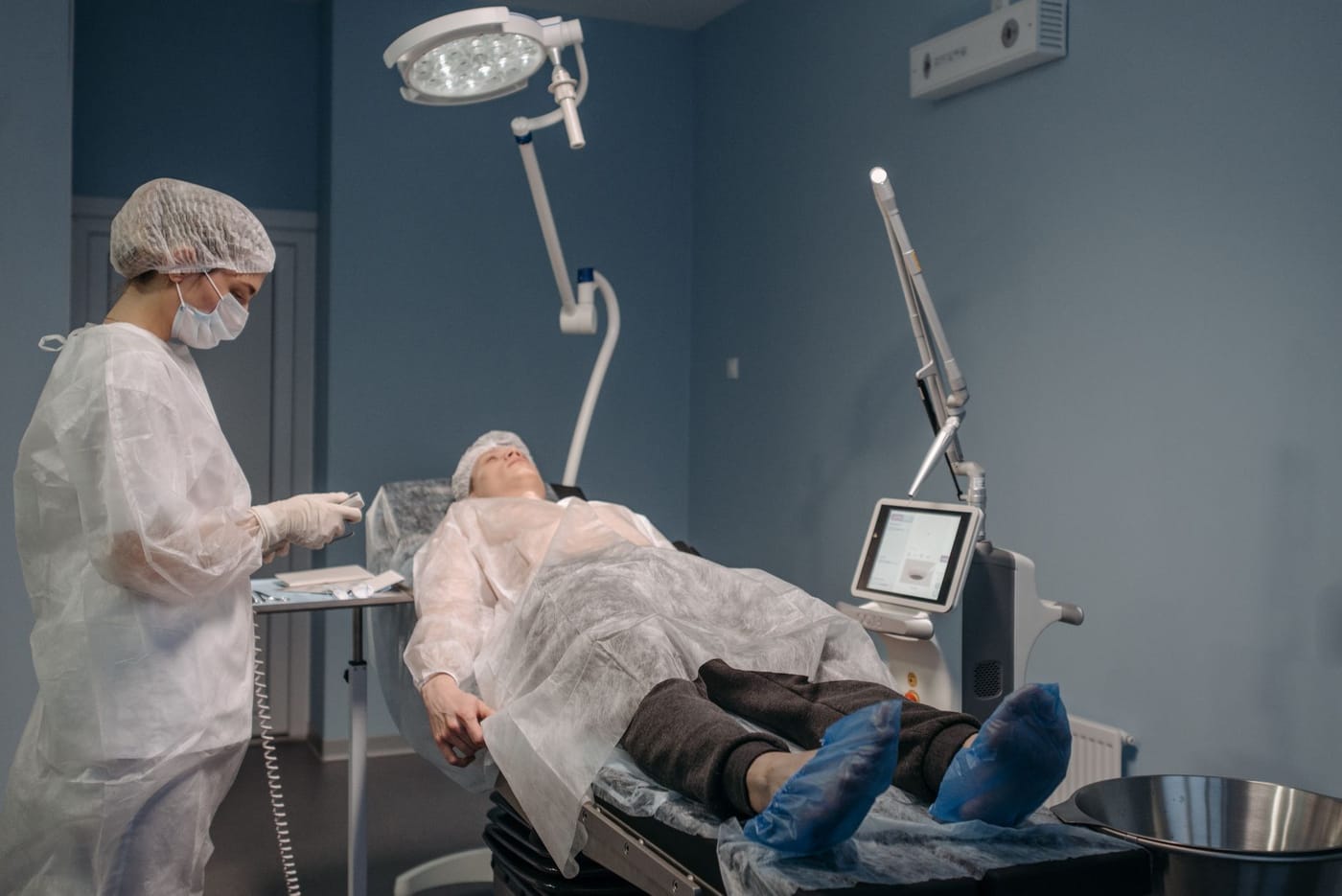
Am I a Good Candidate for LASIK?
A good LASIK candidate usually has a stable glasses or contact lens prescription, healthy corneas, adequate corneal thickness, manageable dry eye, and realistic expectations. LASIK is not automatically right just because you are nearsighted or tired of glasses. The only reliable way to know is to have a complete refractive surgery evaluation with corneal imaging.

§Read video transcript
LASIK can be very successful when performed on the right patients, but it is not for everyone. Because LASIK permanently changes the shape of your eyes, it should only be done on adults whose eyes have finished maturing and who have had a stable prescription for at least one year. You should be in good general health and have healthy eyes, free of eye diseases, infections and injury. If you are interested in LASIK, ask your doctor for a consultation to determine whether you are a candidate. The consultation will include a special series of tests and a detailed medical history. If you are not a candidate for LASIK, other vision correction options may be right for you.
Key Takeaways
- Prescription stability is essential.
- Corneal shape and thickness determine whether LASIK is safe.
- Dry eye, keratoconus risk, cataracts, glaucoma, pregnancy, autoimmune disease, and certain medications can change candidacy.
- Age matters because vision needs change over time.
- The best candidate understands both benefits and risks.
Why Patients Ask This Question
Most patients asking this question already want LASIK and are hoping for a yes. The physician’s job is not to sell them surgery. The job is to decide whether the eye is structurally and medically appropriate for surgery and whether the patient’s goals are realistic.
What This Means for Your Eyes
LASIK removes microscopic corneal tissue to change focusing power. If the cornea is too thin, irregular, unstable, or dry, removing tissue may create avoidable risk. If blurry vision is from cataract, retina disease, glaucoma, or another medical problem, LASIK is the wrong tool.
Detailed Explanation
The strongest LASIK candidates are usually adults with stable prescriptions, healthy eyes, normal corneal imaging, enough corneal thickness, no significant untreated dry eye, and no medical condition that impairs wound healing. The prescription must be within a treatable range. Very high prescriptions may require too much tissue removal or may have a higher chance of regression or imperfect correction.
Contact lens wearers need to stop lenses before measurements because contacts can temporarily change corneal shape. Soft lenses, toric lenses, rigid gas permeable lenses, and hard lenses require different time periods out of lenses. If the measurements are taken too soon, the surgical plan may be inaccurate.
Candidacy also depends on lifestyle. Contact sports, military standards, police/fire duties, night driving demands, piloting, surgery, photography, and heavy screen use can affect decision-making. The patient’s tolerance for halos, glare, dryness, enhancement risk, and reading-glasses needs must be discussed before surgery.
When This May Be Serious
LASIK candidacy is concerning if the patient has keratoconus, suspicious corneal topography, thin corneas, severe dry eye, active eye inflammation, uncontrolled autoimmune disease, unstable diabetes, pregnancy or breastfeeding, recent prescription change, cataract, glaucoma, uveitis, herpes eye disease, or unrealistic expectations. Any sudden vision loss, eye pain, new flashes or floaters, or one-sided distortion requires a medical eye evaluation rather than a LASIK consult.
How an Ophthalmologist Evaluates This
The evaluation includes refraction, corneal topography/tomography, pachymetry, tear testing, pupil evaluation, slit-lamp exam, dilated retinal exam when needed, and a review of systemic health and medications. The surgeon should explain why you are or are not a candidate.
Treatment Options
If LASIK is appropriate, surgery may be planned. If not, options can include PRK, SMILE, ICL, refractive lens exchange, cataract surgery, glasses, specialty contacts, or dry eye treatment first. Sometimes the best treatment is to wait until the prescription is stable.
What You Should Not Do
Do not shop for a surgeon who says yes after another surgeon said no without understanding the reason. Do not rush surgery before a stable prescription. Do not wear contact lenses into the preoperative measurement period unless your doctor specifically allows it. Do not ignore dry eye symptoms.
When to Call May Eye Care Center
Patients in Hanover, York, Adams County, South Central Pennsylvania, and northern Maryland should call May Eye Care Center when glasses or contact lenses are interfering with work, driving, sports, photography, surgery, outdoor activities, or quality of life. LASIK is elective, so the decision should be careful, measured, and based on a complete medical eye examination—not an advertisement or a discount offer. May Eye Care Center aims to be the MECCA of Eye Care: a trusted regional destination patients return to regularly for eye exams, surgical guidance, and straight answers about whether LASIK or another option truly fits their eyes.
Bottom Line
The question is not “Do I want LASIK?” The real question is “Do my eyes qualify for LASIK safely?” A careful evaluation protects the patient.
Frequently asked questions
01What age is best for LASIK?
Most patients are adults with stable prescriptions. Early 20s patients may still be changing, while patients over 40 need counseling about reading vision.
02Can I get LASIK if I have dry eyes?
Sometimes, but dry eye must be evaluated and treated first. LASIK can worsen dryness.
03Can I get LASIK while pregnant?
Pregnancy and breastfeeding can affect refraction and healing. LASIK is usually delayed.
04Can I get LASIK with astigmatism?
Often yes, if the astigmatism and corneal shape are within safe limits.
05What if my corneas are thin?
Thin corneas may make LASIK unsafe. PRK or another procedure may be considered.
06What if I am not a candidate?
That is not the end of vision correction. It means your surgeon should discuss safer alternatives.
This page also answers
- Am I a good LASIK Candidate?
- Am I a good candidate for LASIK?
- What are the risks of LASIK?
- Does LASIK cause dry eye?
- How long does LASIK recovery take?
- What are the alternatives to LASIK?
- When should this be checked urgently?
- What testing helps confirm the diagnosis?
- What treatments are available?
- What should patients avoid doing at home?
Medical sources
This article is for educational purposes only and is not a diagnosis, treatment plan, or substitute for an eye examination by a qualified eye doctor. Eye symptoms can have many causes, and some problems can threaten vision if they are not treated promptly. Do not diagnose or treat yourself based only on online information. If you have eye pain, sudden vision loss, flashes, new floaters, a curtain or shadow in your vision, double vision, chemical exposure, trauma, severe redness, light sensitivity, or any concerning eye symptom, seek urgent medical eye care or emergency care.
Schedule your eye exam at May Eye Care Center in Hanover, PA
Serving York, Gettysburg, Adams County, and northern Maryland (driving distances). Call (717) 637-1919 or explore more about LASIK at our practice.
Call (717) 637-1919