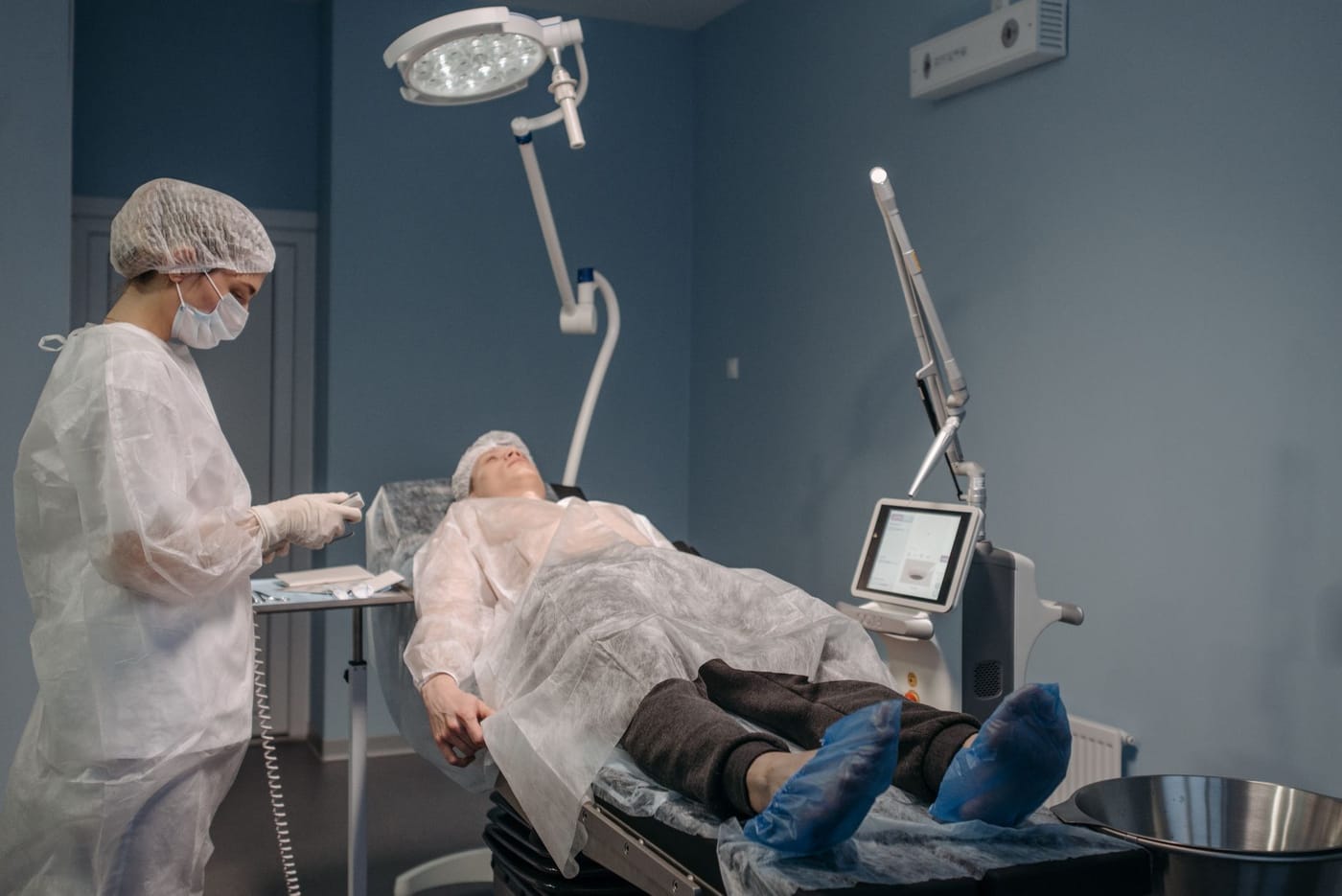
Can LASIK Fix Astigmatism?
LASIK can often correct astigmatism when the astigmatism is regular, the prescription is stable, and the cornea is healthy enough for treatment. Astigmatism means the eye focuses light unevenly, often because the cornea is shaped more like a football than a basketball. LASIK is not appropriate for every type of astigmatism, especially if the cornea is irregular or suspicious for keratoconus.
Key Takeaways
- LASIK commonly treats regular astigmatism.
- Corneal mapping determines whether astigmatism is safe to treat.
- Irregular astigmatism may be a warning sign.
- Astigmatism can coexist with nearsightedness or farsightedness.
- Screening matters more than the number alone.
Why Patients Ask This Question
Patients often think astigmatism makes them ineligible for LASIK. In reality, many LASIK treatments include astigmatism correction. The concern is not simply whether astigmatism exists; it is what kind of astigmatism and why it is present.
What This Means for Your Eyes
Astigmatism means light focuses in more than one plane. Glasses correct it with cylinder power. LASIK reshapes the cornea to make focusing more even. If the cornea itself is irregular or weak, reshaping may be unsafe or unpredictable.
Detailed Explanation
Regular astigmatism is common and often treatable with LASIK. The laser removes tissue in a pattern that improves corneal symmetry and focus. The treatment is customized to the patient’s prescription and eye measurements.
Irregular astigmatism is different. It can come from keratoconus, corneal scarring, prior surgery, injury, contact lens warpage, dry eye, or other corneal disease. In these cases, LASIK may worsen vision or destabilize the cornea. Patients with suspected keratoconus or ectasia risk need careful counseling and may need corneal cross-linking, specialty contact lenses, PRK in select cases, or no refractive surgery.
Residual astigmatism after LASIK can occur. It may cause blur, shadowing, ghosting, or night-vision symptoms. Enhancement may be possible if the eye is stable and enough tissue remains.
When This May Be Serious
Astigmatism is more serious if it is increasing, asymmetric, associated with corneal thinning, poor best-corrected vision, ghosting, or abnormal topography. Sudden distortion or vision loss needs medical evaluation.
How an Ophthalmologist Evaluates This
Evaluation includes manifest and cycloplegic refraction when needed, corneal topography/tomography, pachymetry, tear film assessment, and slit-lamp exam. The doctor must distinguish regular refractive astigmatism from corneal disease.
Treatment Options
Options include LASIK, PRK, glasses, toric contact lenses, scleral lenses, corneal cross-linking for keratoconus, ICL for certain high prescriptions, or cataract surgery with toric implants when cataract is present.
What You Should Not Do
Do not assume astigmatism disqualifies you. Also do not assume every astigmatism is safe for LASIK. Do not proceed without corneal mapping. Do not ignore worsening ghosting or distortion.
When to Call May Eye Care Center
Patients in Hanover, York, Adams County, South Central Pennsylvania, and northern Maryland should call May Eye Care Center when glasses or contact lenses are interfering with work, driving, sports, photography, surgery, outdoor activities, or quality of life. LASIK is elective, so the decision should be careful, measured, and based on a complete medical eye examination—not an advertisement or a discount offer. May Eye Care Center aims to be the MECCA of Eye Care: a trusted regional destination patients return to regularly for eye exams, surgical guidance, and straight answers about whether LASIK or another option truly fits their eyes.
Bottom Line
LASIK can treat many astigmatism prescriptions, but the corneal map—not the advertisement—decides whether it is safe.
Frequently asked questions
01What is astigmatism?
Astigmatism is uneven focusing, often due to corneal shape.
02Can LASIK treat high astigmatism?
Sometimes, but high amounts need careful tissue and safety analysis.
03What is irregular astigmatism?
It is uneven corneal focusing that may come from corneal disease or scarring.
04Can astigmatism come back?
Residual or recurrent astigmatism can occur from healing, regression, or eye changes.
05Is PRK better for astigmatism?
Sometimes PRK is safer for certain corneas, but it depends on imaging.
06Can cataract surgery fix astigmatism?
Yes, toric lens implants or corneal incisions may reduce astigmatism during cataract surgery.
This page also answers
- Am I a good candidate for LASIK?
- What are the risks of LASIK?
- Does LASIK cause dry eye?
- How long does LASIK recovery take?
- What are the alternatives to LASIK?
- When should this be checked urgently?
- What testing helps confirm the diagnosis?
- What treatments are available?
- What should patients avoid doing at home?
Medical sources
This article is for educational purposes only and is not a diagnosis, treatment plan, or substitute for an eye examination by a qualified eye doctor. Eye symptoms can have many causes, and some problems can threaten vision if they are not treated promptly. Do not diagnose or treat yourself based only on online information. If you have eye pain, sudden vision loss, flashes, new floaters, a curtain or shadow in your vision, double vision, chemical exposure, trauma, severe redness, light sensitivity, or any concerning eye symptom, seek urgent medical eye care or emergency care.
Schedule your eye exam at May Eye Care Center in Hanover, PA
Serving York, Gettysburg, Adams County, and northern Maryland (driving distances). Call (717) 637-1919 or explore more about LASIK at our practice.
Call (717) 637-1919