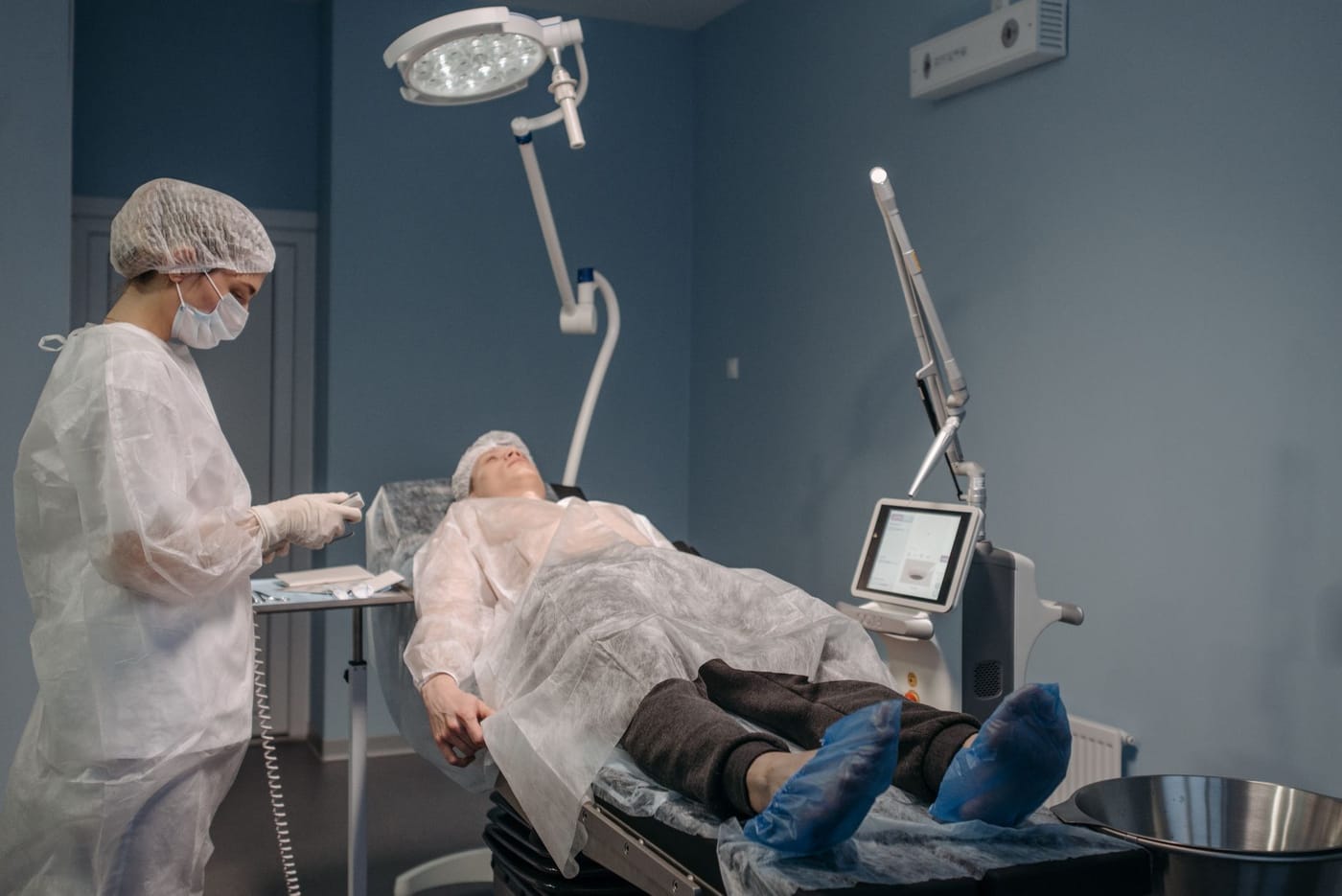
Does LASIK Hurt?
LASIK usually does not hurt during the procedure because numbing drops are used. Patients commonly feel pressure, eyelid holding, dimming of vision, water, lights, and sometimes mild anxiety, but sharp pain is not expected. After surgery, burning, tearing, gritty feeling, and light sensitivity can occur for several hours and usually improve quickly.
Key Takeaways
- Numbing drops are used before LASIK.
- Pressure is common; sharp pain is not normal.
- The procedure is usually brief.
- Burning, watering, and gritty feeling can occur after surgery.
- Worsening pain after surgery requires prompt evaluation.
Why Patients Ask This Question
Fear of pain stops many good candidates from even having a consultation. Patients often imagine a much more dramatic surgery than LASIK usually is. The honest answer is that LASIK is typically uncomfortable more than painful.
What This Means for Your Eyes
The cornea has sensitive nerves, but anesthetic drops numb the surface. Patients still feel mechanical pressure because pressure sensation is not completely eliminated. After the procedure, the healing surface and dry-eye response can cause burning or scratchiness.
Detailed Explanation
Before LASIK, numbing drops are placed in the eye. A lid holder keeps the eye open, which can feel odd but should not hurt. When the flap is made, patients may feel pressure and the vision may dim temporarily. During laser reshaping, patients focus on a target light. The laser portion is typically short.
After the flap is replaced, the eye may water, burn, itch, or feel like there is sand in it. Vision is usually blurry or hazy at first. Patients are often instructed to go home, rest, use drops as directed, avoid rubbing, and wear protective shields as instructed. Many patients feel significantly better by the next day, but healing patterns vary.
Pain tolerance differs. Anxiety can make sensations feel worse. Good preoperative counseling helps patients know what is normal. A patient who expects zero sensation may be alarmed by normal pressure. A patient who understands the steps usually handles the procedure much better.
When This May Be Serious
Severe pain is not normal. Increasing pain, worsening redness, decreasing vision, discharge, or major light sensitivity after LASIK can signal infection, inflammation, flap problems, or another complication and needs urgent evaluation.
How an Ophthalmologist Evaluates This
The surgeon evaluates comfort risks by checking dry eye, eyelid inflammation, corneal health, anxiety level, and ability to cooperate with instructions. Patients should be told what they will see, feel, smell, and hear during surgery.
Treatment Options
Comfort measures include numbing drops, lubricating drops, calm coaching, optional oral relaxation medication when appropriate, and careful postoperative lubrication. Pain that is outside the expected range requires examination rather than reassurance by phone alone.
What You Should Not Do
Do not rub your eyes after LASIK. Do not use unapproved drops. Do not drive yourself home if medication is used or vision is blurry. Do not ignore severe pain because normal LASIK discomfort should improve, not escalate.
When to Call May Eye Care Center
Patients in Hanover, York, Adams County, South Central Pennsylvania, and northern Maryland should call May Eye Care Center when glasses or contact lenses are interfering with work, driving, sports, photography, surgery, outdoor activities, or quality of life. LASIK is elective, so the decision should be careful, measured, and based on a complete medical eye examination—not an advertisement or a discount offer. May Eye Care Center aims to be the MECCA of Eye Care: a trusted regional destination patients return to regularly for eye exams, surgical guidance, and straight answers about whether LASIK or another option truly fits their eyes.
Bottom Line
LASIK is usually more strange than painful. Numbing drops make the procedure tolerable, but patients should know that pressure and short-term irritation are normal.
Frequently asked questions
01Will I feel the laser?
No. You may hear sounds or smell an odor, but the laser itself is not felt as a cutting sensation.
02What if I blink?
A lid holder prevents blinking during the critical part of the procedure.
03Will I be awake?
Yes, LASIK is usually performed while awake with numbing drops.
04How long does discomfort last?
Many patients feel burning or gritty sensation for a few hours, with improvement by the next day.
05Is pressure normal?
Yes. Pressure during flap creation can be normal.
06When should I worry?
Severe or worsening pain, redness, discharge, light sensitivity, or decreased vision should be checked urgently.
This page also answers
- Am I a good candidate for LASIK?
- What are the risks of LASIK?
- Does LASIK cause dry eye?
- How long does LASIK recovery take?
- What are the alternatives to LASIK?
- When should this be checked urgently?
- What testing helps confirm the diagnosis?
- What treatments are available?
- What should patients avoid doing at home?
Medical sources
This article is for educational purposes only and is not a diagnosis, treatment plan, or substitute for an eye examination by a qualified eye doctor. Eye symptoms can have many causes, and some problems can threaten vision if they are not treated promptly. Do not diagnose or treat yourself based only on online information. If you have eye pain, sudden vision loss, flashes, new floaters, a curtain or shadow in your vision, double vision, chemical exposure, trauma, severe redness, light sensitivity, or any concerning eye symptom, seek urgent medical eye care or emergency care.
Schedule your eye exam at May Eye Care Center in Hanover, PA
Serving York, Gettysburg, Adams County, and northern Maryland (driving distances). Call (717) 637-1919 or explore more about LASIK at our practice.
Call (717) 637-1919