How Long Does LASIK Take?
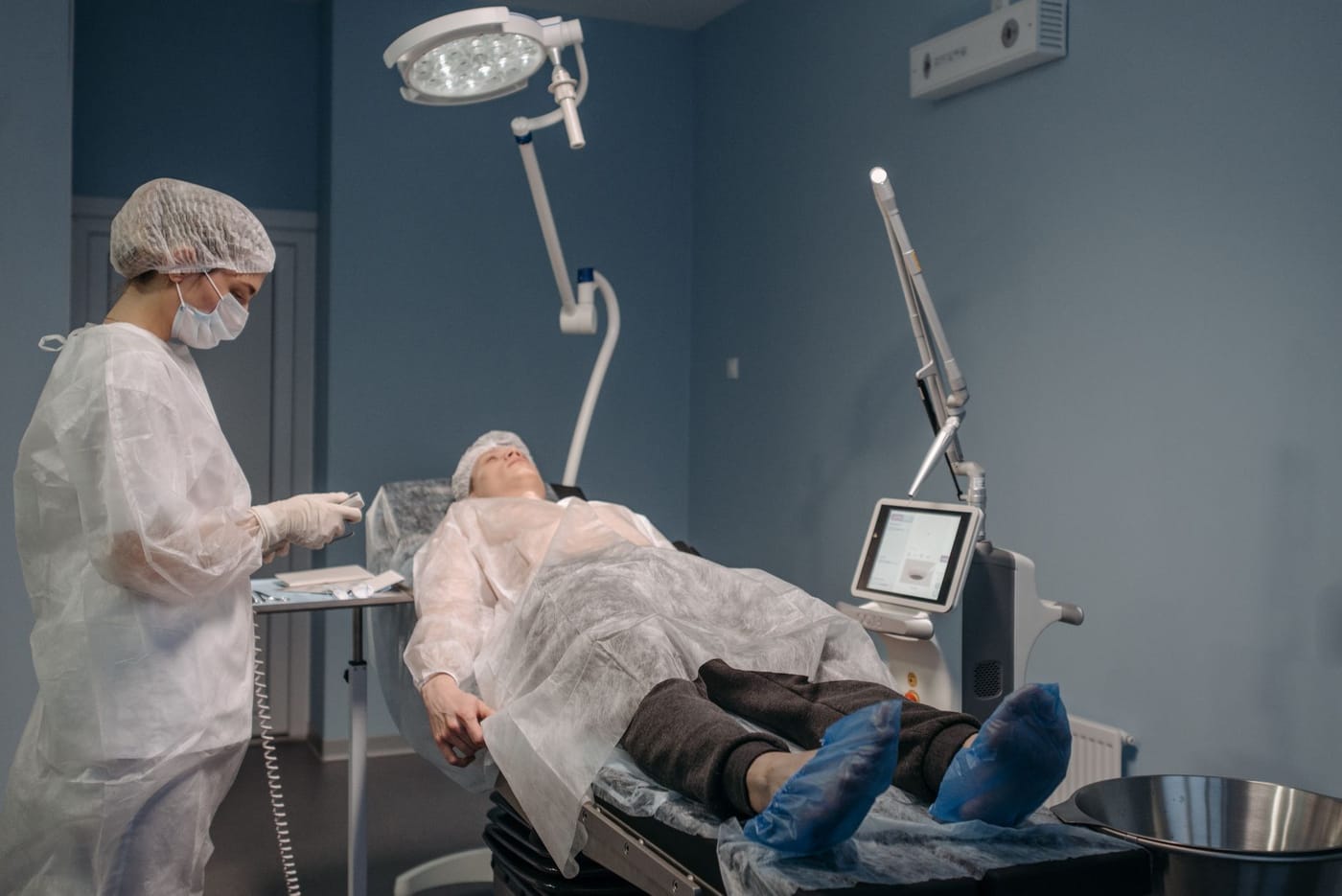
The LASIK procedure itself is usually completed quickly, often in less than 30 minutes for the surgical visit, with the laser portion lasting only a short time. Patients should plan for more time at the surgery center because preparation, checks, consent, relaxation medication if used, and postoperative instructions take longer than the laser. The important issue is not speed; it is accuracy and safety.
Key Takeaways
- The laser portion is brief.
- The full appointment takes longer than the laser treatment.
- Both eyes are commonly treated on the same day when appropriate.
- Preoperative measurement takes far longer than the actual procedure.
- A rushed LASIK evaluation is a red flag.
Why Patients Ask This Question
Patients ask this because they are worried about lying still, missing work, or whether the procedure is complicated. LASIK is technically sophisticated but operationally brief for the patient. The planning is the long part.
What This Means for Your Eyes
Laser vision correction is based on a customized treatment plan derived from measurements. During surgery, the laser applies that plan to the cornea in seconds to minutes. The cornea is reshaped by microscopic tissue removal.
Detailed Explanation
A LASIK day includes check-in, confirmation of identity and procedure, medication review, discussion of postoperative drops, final measurements or review, numbing drops, sterile preparation, flap creation, laser reshaping, flap repositioning, and a postoperative check. The laser time depends on the prescription and laser platform.
The patient is usually awake. A lid speculum keeps the eye open. The surgeon and laser tracking systems help manage fixation, but patient cooperation still matters. Patients may notice dimming of vision, pressure, lights, sounds, and fluid. After treatment, the surgeon checks the flap position and gives instructions.
Many patients are surprised that the work-up takes far longer than the procedure. That is appropriate. Corneal imaging, prescription stability, tear evaluation, and counseling should never be rushed. A very short 'screening' that skips medical details is not a true refractive surgery evaluation.
When This May Be Serious
Time becomes a safety issue if a center rushes consultation, consent, or measurements. Patients should also seek urgent care if after surgery they develop worsening pain, decreased vision, increasing redness, or trauma to the eye.
How an Ophthalmologist Evaluates This
The preoperative evaluation measures vision, prescription, corneal thickness, corneal curvature, corneal regularity, tear film, pupil size, lens clarity, and eye health. The actual surgical time is short because those measurements have already guided the plan.
Treatment Options
Treatment options include LASIK, PRK, SMILE, ICL, or no surgery depending on findings. Procedure duration should not drive procedure choice; eye anatomy should.
What You Should Not Do
Do not choose a procedure because it sounds fastest. Do not schedule LASIK without time to review risks and alternatives. Do not assume same-day consultation and surgery is automatically appropriate for every patient.
When to Call May Eye Care Center
Patients in Hanover, York, Adams County, South Central Pennsylvania, and northern Maryland should call May Eye Care Center when glasses or contact lenses are interfering with work, driving, sports, photography, surgery, outdoor activities, or quality of life. LASIK is elective, so the decision should be careful, measured, and based on a complete medical eye examination—not an advertisement or a discount offer. May Eye Care Center aims to be the MECCA of Eye Care: a trusted regional destination patients return to regularly for eye exams, surgical guidance, and straight answers about whether LASIK or another option truly fits their eyes.
Bottom Line
LASIK is usually a short procedure, but a safe LASIK decision is not rushed. The exam and planning are where the real protection happens.
Frequently asked questions
01Is the laser on my eye for a long time?
Usually no. The laser treatment is brief, depending on prescription and laser platform.
02Are both eyes done the same day?
Often yes, but this should be discussed with the surgeon.
03Do I need a driver?
Yes. Vision may be blurry and relaxing medication may be used.
04How long should I take off work?
Many patients return quickly, but this depends on vision, comfort, job demands, and surgeon instructions.
05Why does the evaluation take so long?
Because the exam determines whether LASIK is safe.
06Is faster LASIK better?
No. Precision, screening, and judgment matter more than speed.
This page also answers
- Am I a good candidate for LASIK?
- What are the risks of LASIK?
- Does LASIK cause dry eye?
- How long does LASIK recovery take?
- What are the alternatives to LASIK?
- When should this be checked urgently?
- What testing helps confirm the diagnosis?
- What treatments are available?
- What should patients avoid doing at home?
Medical sources
This article is for educational purposes only and is not a diagnosis, treatment plan, or substitute for an eye examination by a qualified eye doctor. Eye symptoms can have many causes, and some problems can threaten vision if they are not treated promptly. Do not diagnose or treat yourself based only on online information. If you have eye pain, sudden vision loss, flashes, new floaters, a curtain or shadow in your vision, double vision, chemical exposure, trauma, severe redness, light sensitivity, or any concerning eye symptom, seek urgent medical eye care or emergency care.
Schedule your eye exam at May Eye Care Center in Hanover, PA
Serving York, Gettysburg, Adams County, and northern Maryland (driving distances). Call (717) 637-1919 or explore more about LASIK at our practice.
Call (717) 637-1919