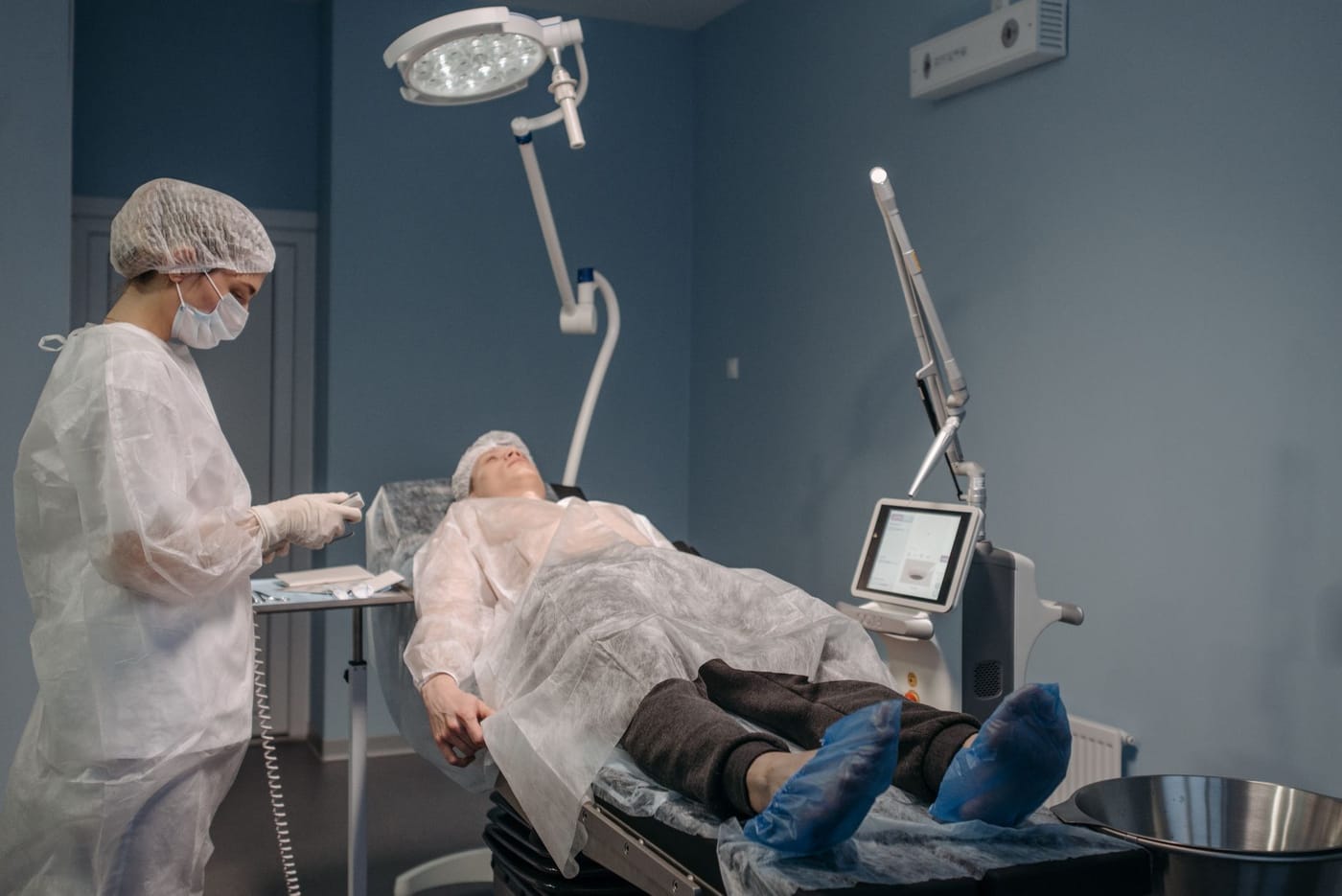
Is LASIK Safe?
LASIK is generally considered safe for properly selected patients, but it is still elective eye surgery and no surgery is risk-free. Most patients are satisfied, serious complications are uncommon, and temporary dryness or night-vision symptoms are among the more common concerns. Safety depends heavily on screening, surgeon judgment, technology, and honest informed consent.
Key Takeaways
- LASIK has a strong safety record in well-screened patients.
- Dry eye, glare, halos, starbursts, and fluctuating vision can occur.
- Serious complications are rare but real.
- Patient selection is the most important safety step.
- A safe LASIK decision includes understanding alternatives.
Why Patients Ask This Question
Patients want reassurance, but they also deserve the truth. LASIK is not dangerous for most good candidates, but it should not be treated casually. The safest answer is balanced: excellent results are common, but risks exist and must be screened for.
What This Means for Your Eyes
LASIK changes living corneal tissue. The cornea must remain strong, smooth, and healthy after tissue removal. If the cornea is abnormal or too thin, the eye may be at risk for ectasia, irregular astigmatism, or reduced visual quality. Dry eye and optical side effects can also affect comfort and quality of vision.
Detailed Explanation
Safety starts before surgery. The surgeon evaluates corneal thickness, corneal shape, prescription stability, tear production, pupil size, eye pressure, lens clarity, retina health, medical history, medications, pregnancy status, and lifestyle demands. The laser may be precise, but the decision is human and medical.
Common temporary side effects include dryness, light sensitivity, glare, halos, starbursts, and fluctuating vision. Many patients improve over weeks to months. A smaller group may have persistent symptoms. Rare complications include infection, inflammation, flap problems, epithelial ingrowth, irregular healing, overcorrection, undercorrection, loss of best-corrected vision, and corneal ectasia.
The FDA’s quality-of-life research found that new visual symptoms and dry eye symptoms can occur after LASIK, while severe difficulty with usual activities was reported by less than 1% of participants and more than 95% were satisfied with their vision. Those numbers are reassuring, but they also prove why informed consent matters: a small risk is still meaningful when it is your eyes.
When This May Be Serious
Seek urgent care after LASIK for worsening pain, decreasing vision, increasing redness, light sensitivity, discharge, trauma, a dislodged flap, or symptoms that are getting worse instead of better. Before LASIK, warning signs include keratoconus, severe dry eye, eye inflammation, uncontrolled systemic disease, or unstable prescription.
How an Ophthalmologist Evaluates This
The safety evaluation includes detailed corneal imaging, corneal thickness measurement, refraction, tear assessment, slit-lamp exam, pupil testing, and sometimes retinal evaluation. The surgeon should document why the planned correction leaves an adequate residual stromal bed and why the cornea appears structurally safe.
Treatment Options
Treatment choices include proceeding with LASIK, choosing PRK instead, treating dry eye first, selecting ICL for high prescriptions, considering refractive lens exchange in older patients, or avoiding elective surgery. The safest treatment is the one that fits the actual eye.
What You Should Not Do
Do not assume the cheapest LASIK center is the safest. Do not accept a guarantee of perfect vision. Do not ignore informed consent. Do not choose same-day surgery before understanding the exam findings, risks, recovery, and alternatives.
When to Call May Eye Care Center
Patients in Hanover, York, Adams County, South Central Pennsylvania, and northern Maryland should call May Eye Care Center when glasses or contact lenses are interfering with work, driving, sports, photography, surgery, outdoor activities, or quality of life. LASIK is elective, so the decision should be careful, measured, and based on a complete medical eye examination—not an advertisement or a discount offer. May Eye Care Center aims to be the MECCA of Eye Care: a trusted regional destination patients return to regularly for eye exams, surgical guidance, and straight answers about whether LASIK or another option truly fits their eyes.
Bottom Line
LASIK is safe enough to be a major modern refractive procedure, but not safe enough to skip the details. The safest LASIK patient is carefully selected, carefully informed, and carefully followed.
Frequently asked questions
01Is LASIK safer than contact lenses?
That depends on the patient and behavior. Contact lens infections can be serious, but LASIK has surgical risks. The comparison must be individualized.
02Can LASIK make vision worse?
Rarely, yes. Loss of best-corrected vision is uncommon but possible.
03Are halos normal after LASIK?
Halos and glare can occur, especially early. Persistent or severe symptoms need evaluation.
04Is dry eye common after LASIK?
Dryness is one of the more common side effects and may last weeks to months, sometimes longer.
05Does FDA approve LASIK lasers?
The FDA approves lasers for specific indications but does not guarantee that every patient is a good candidate.
06Is LASIK safe for everyone?
No. Screening is essential.
This page also answers
- Am I a good candidate for LASIK?
- What are the risks of LASIK?
- Does LASIK cause dry eye?
- How long does LASIK recovery take?
- What are the alternatives to LASIK?
- When should this be checked urgently?
- What testing helps confirm the diagnosis?
- What treatments are available?
- What should patients avoid doing at home?
Medical sources
This article is for educational purposes only and is not a diagnosis, treatment plan, or substitute for an eye examination by a qualified eye doctor. Eye symptoms can have many causes, and some problems can threaten vision if they are not treated promptly. Do not diagnose or treat yourself based only on online information. If you have eye pain, sudden vision loss, flashes, new floaters, a curtain or shadow in your vision, double vision, chemical exposure, trauma, severe redness, light sensitivity, or any concerning eye symptom, seek urgent medical eye care or emergency care.
Schedule your eye exam at May Eye Care Center in Hanover, PA
Serving York, Gettysburg, Adams County, and northern Maryland (driving distances). Call (717) 637-1919 or explore more about LASIK at our practice.
Call (717) 637-1919