LASIK vs PRK: Which Is Better for Me?
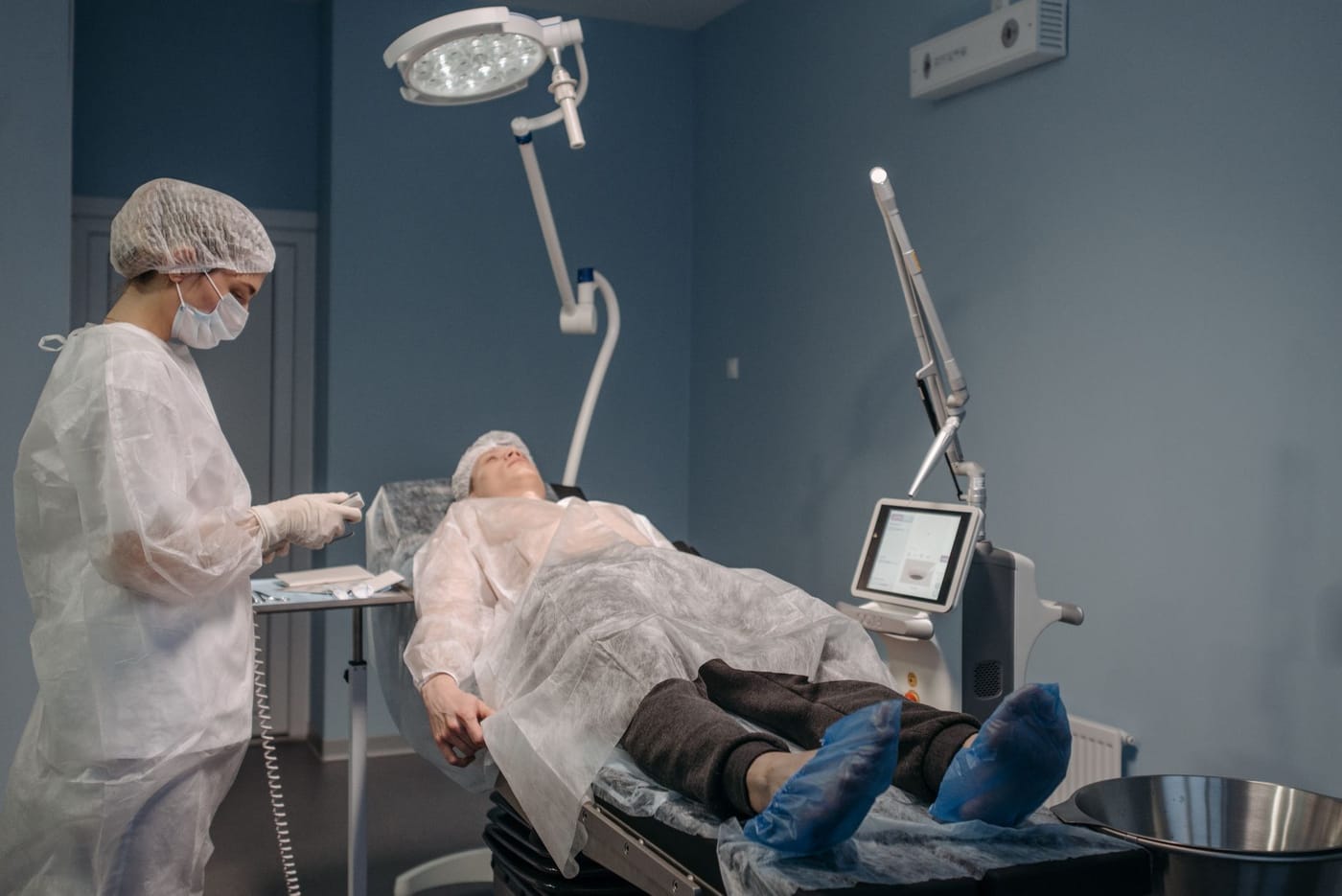
LASIK and PRK are both laser vision correction procedures that reshape the cornea, but they differ in how the corneal surface is accessed. LASIK creates a flap and usually has faster visual recovery and less early discomfort. PRK removes the surface epithelium without a flap and may be safer for some patients with thinner corneas, certain occupations, or flap-risk concerns.
§Read video transcript
LASIK and PRK are common laser vision correction procedures, but they differ slightly. Usually, patients are first considered for LASIK surgery, and if they are not good candidates for LASIK, then PRK may be an option. Both procedures correct vision using targeted laser therapy; however, the procedure and recovery processes differ. To be a candidate for LASIK surgery, the patient’s corneas must be thick enough. If the cornea is too thin, LASIK can weaken its structure, causing the cornea to bulge. This can result in decreased vision. PRK may be a better choice for some patients with thin corneas because the laser does not penetrate as deeply into the cornea as with LASIK. In LASIK surgery, the doctor creates a corneal flap, which is folded back as the laser is applied to the deeper corneal layers. After the laser treatment, the flap is repositioned over the eye. In PRK, there is no flap. Instead, the surgeon removes the outer corneal surface completely to expose the deeper corneal layers where the laser is applied. The deeper layers are left exposed. Eye drops, oral medication, or a protective bandage contact lens may be prescribed to manage discomfort while the outermost layer regrows. Because of the time it takes the cornea to heal, patients may experience more discomfort and longer recovery with PRK compared to LASIK. Additionally, PRK patients may have more frequent follow-up visits with an eye doctor to monitor the eyes’ healing after surgery. Both LASIK and PRK are popular options for correcting refractive errors. The best treatment type depends on your unique needs. Let us know if you have questions about your options for laser vision correction
Key Takeaways
- Both LASIK and PRK reshape the cornea with a laser.
- LASIK usually heals visually faster.
- PRK avoids a corneal flap.
- PRK often has more early discomfort and slower recovery.
- The better procedure depends on corneal anatomy and lifestyle.
Why Patients Ask This Question
Patients often hear that LASIK is more popular, but popularity is not the same as best. PRK remains important because some eyes should not have a LASIK flap.
What This Means for Your Eyes
Both procedures treat refractive error by changing corneal shape. In LASIK, a flap is made and lifted. In PRK, the surface epithelium is removed and regrows. Because PRK does not require a flap, it preserves different biomechanical considerations but has a longer surface-healing period.
Detailed Explanation
LASIK usually provides quicker comfort and visual recovery because the corneal surface remains largely covered by the flap. Many patients see functional improvement quickly. However, flap creation introduces flap-related risks and may not be ideal for thinner corneas or people at higher risk of eye trauma.
PRK removes the epithelial surface, applies the laser to the corneal surface, and then uses a bandage contact lens while the epithelium heals. Recovery is slower and often more uncomfortable early, with more days of blurry vision. But PRK may be preferred for some patients with thinner corneas, certain corneal shapes, military/contact sport considerations, or flap concerns.
Both require careful screening. Both can cause dry eye, glare, halos, undercorrection, overcorrection, infection, inflammation, haze, or regression. The difference is not that one is safe and the other dangerous; the difference is which risk profile fits the patient.
When This May Be Serious
PRK or LASIK may be inappropriate if there is keratoconus, suspicious corneal mapping, severe dry eye, unstable prescription, active inflammation, cataract, glaucoma concerns, or poor healing risk. Severe pain, worsening redness, or decreased vision after either procedure requires urgent care.
How an Ophthalmologist Evaluates This
Evaluation includes refraction, corneal topography/tomography, pachymetry, tear film assessment, pupil measurement, occupational risk review, contact sport history, and medical history.
Treatment Options
Options include LASIK, PRK, SMILE, ICL, glasses, contacts, or lens-based surgery depending on age and anatomy. PRK may be the better corneal laser choice when LASIK flap or tissue considerations are unfavorable.
What You Should Not Do
Do not demand LASIK if PRK is safer. Do not choose PRK thinking it has no risks. Do not underestimate PRK recovery time. Do not compare procedures without actual corneal measurements.
When to Call May Eye Care Center
Patients in Hanover, York, Adams County, South Central Pennsylvania, and northern Maryland should call May Eye Care Center when glasses or contact lenses are interfering with work, driving, sports, photography, surgery, outdoor activities, or quality of life. LASIK is elective, so the decision should be careful, measured, and based on a complete medical eye examination—not an advertisement or a discount offer. May Eye Care Center aims to be the MECCA of Eye Care: a trusted regional destination patients return to regularly for eye exams, surgical guidance, and straight answers about whether LASIK or another option truly fits their eyes.
Bottom Line
LASIK is faster recovery; PRK is flap-free. The better choice is the one your cornea and lifestyle support safely.
Frequently asked questions
01Is PRK safer than LASIK?
It may be safer for certain corneas or lifestyles, but not universally.
02Does PRK hurt more?
Early discomfort is usually greater with PRK than LASIK.
03Does PRK take longer to heal?
Yes, visual recovery is usually slower.
04Are results similar long-term?
Many patients can have excellent results with either if properly selected.
05Why would I choose PRK?
Thin corneas, trauma risk, or flap concerns may favor PRK.
06Does PRK avoid dry eye?
Not necessarily. Dry eye can still occur.
This page also answers
- What is the difference between LASIK and PRK?
- Am I a good candidate for LASIK?
- What are the risks of LASIK?
- Does LASIK cause dry eye?
- How long does LASIK recovery take?
- What are the alternatives to LASIK?
- When should this be checked urgently?
- What testing helps confirm the diagnosis?
- What treatments are available?
- What should patients avoid doing at home?
Medical sources
This article is for educational purposes only and is not a diagnosis, treatment plan, or substitute for an eye examination by a qualified eye doctor. Eye symptoms can have many causes, and some problems can threaten vision if they are not treated promptly. Do not diagnose or treat yourself based only on online information. If you have eye pain, sudden vision loss, flashes, new floaters, a curtain or shadow in your vision, double vision, chemical exposure, trauma, severe redness, light sensitivity, or any concerning eye symptom, seek urgent medical eye care or emergency care.
Schedule your eye exam at May Eye Care Center in Hanover, PA
Serving York, Gettysburg, Adams County, and northern Maryland (driving distances). Call (717) 637-1919 or explore more about LASIK at our practice.
Call (717) 637-1919