What Is LASIK and How Does It Work?
LASIK is a laser vision correction procedure that reshapes the cornea—the clear front window of the eye—so light focuses more accurately on the retina. It is most commonly used to reduce dependence on glasses or contact lenses for nearsightedness, farsightedness, and astigmatism. It does not treat every cause of blurry vision and it does not stop normal age-related changes such as presbyopia or cataracts.
§Read video transcript
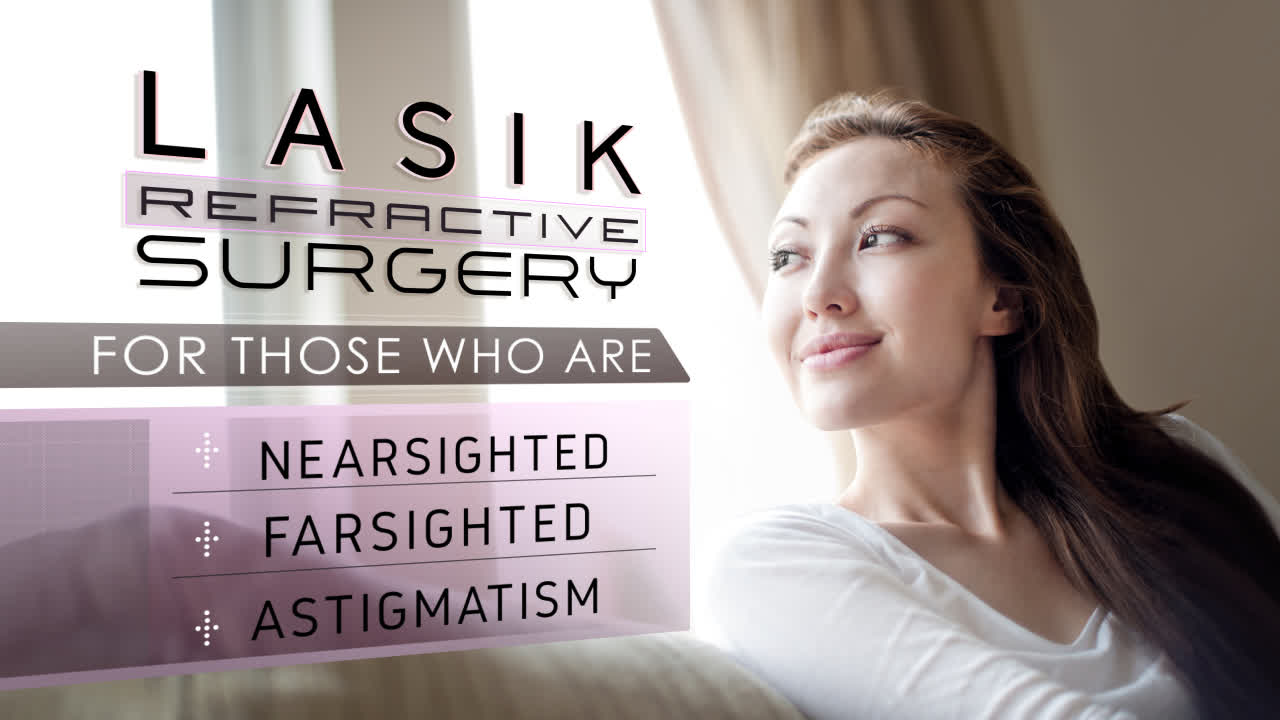
Imagine waking up and instantly seeing the details of the world around you, without having to depend on glasses or contacts. With LASIK refractive surgery, this dream can become a reality for those who are nearsighted, farsighted, or have astigmatism. LASIK isn’t what it used to be - diagnostic techniques have advanced dramatically over the years and the surgical technology is now more precise than ever before. During the procedure, a laser is used to reshape the cornea, where light enters the eye. This corrects vision by changing the cornea’s shape so that light is properly focused. The procedure takes only minutes and most people can go to work the next day. As with any surgery, there are risks and limitations, and our team of LASIK specialists can review these with you. Waking up with clear, sharp vision is priceless. It’s no secret that the cost of glasses, contact lenses and solution can add up over the years, making LASIK a smart investment. Laser vision correction can change the way you see the world. Find out if it’s an option for you by asking our team of LASIK specialists today.
Key Takeaways
- LASIK changes the shape of the cornea, not the lens or retina.
- It can correct myopia, hyperopia, and astigmatism in properly selected patients.
- A thin corneal flap is created, the laser reshapes the underlying cornea, and the flap is returned to position.
- LASIK is elective surgery; screening matters more than advertising.
- A complete eye exam determines whether LASIK is safe and appropriate.
Why Patients Ask This Question
Patients search this because they want to know whether LASIK is a quick cosmetic fix, a true medical procedure, or something in between. The correct answer is that LASIK is real eye surgery. It is usually fast and highly successful in well-selected patients, but the eye must be healthy enough for the procedure.
What This Means for Your Eyes
The eye focuses light using the cornea and the natural lens. In nearsightedness, farsightedness, and astigmatism, light does not focus perfectly on the retina. Glasses and contacts compensate from outside the eye. LASIK changes the cornea itself so the eye’s own focusing power is closer to the target prescription.
Detailed Explanation
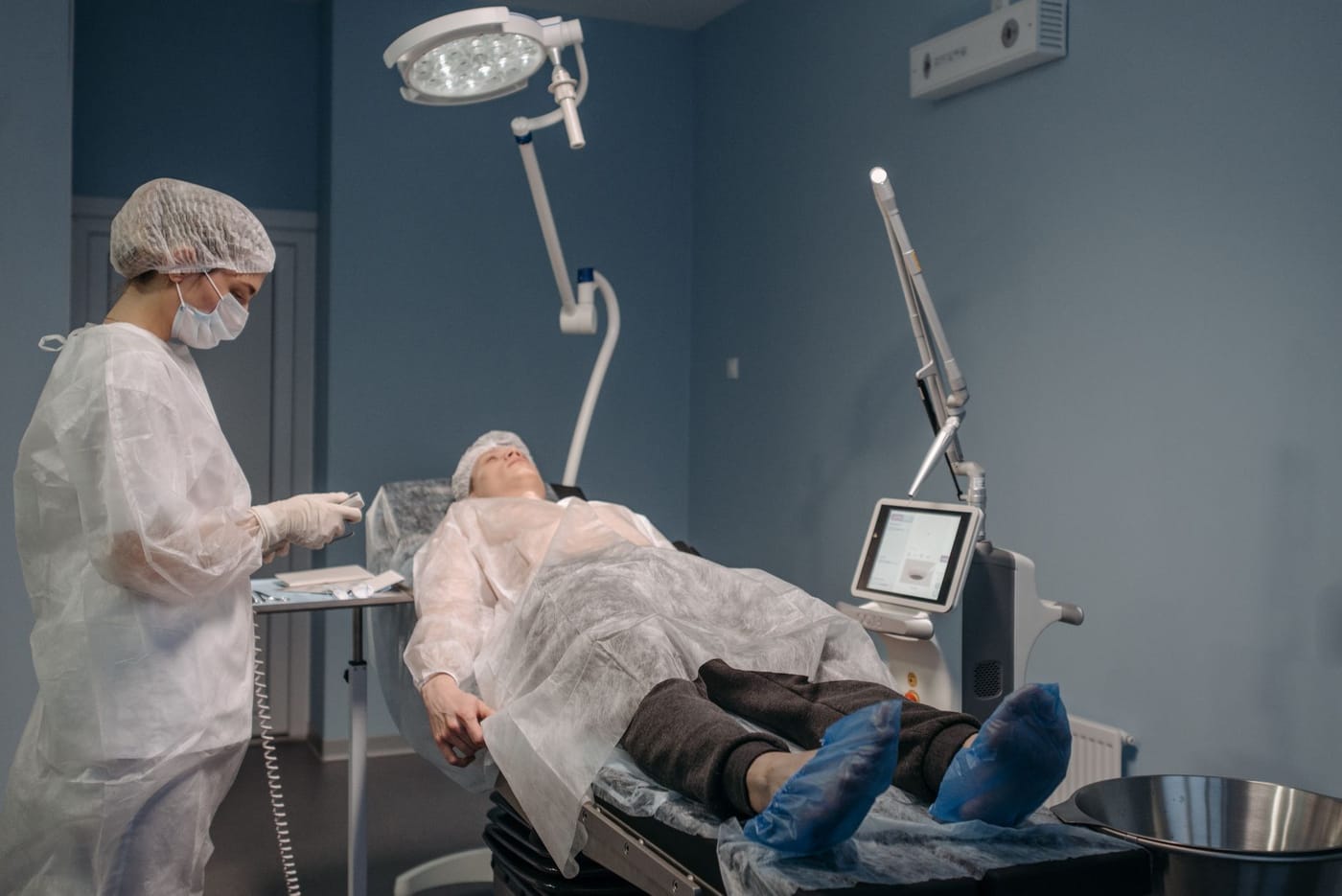
During LASIK, numbing drops are placed in the eye. The surgeon creates a thin flap in the cornea using a femtosecond laser or a microkeratome. The flap is lifted, and an excimer laser removes a precise microscopic amount of tissue from the corneal stroma. That reshaping changes how light bends into the eye. The flap is then placed back down, where it naturally adheres without stitches.
LASIK is designed for refractive errors. It does not fix macular degeneration, glaucoma, diabetic retinopathy, cataracts, optic nerve disease, or neurologic causes of blurred vision. That is why a full eye examination is mandatory before deciding on surgery. The goal is not simply to remove glasses; the goal is to improve unaided vision while keeping the eye healthy and stable.
When This May Be Serious
LASIK evaluation becomes serious when there is an abnormal corneal shape, thin cornea, keratoconus risk, significant dry eye, unstable prescription, cataract, glaucoma, retinal disease, autoimmune disease, poor healing risk, or unrealistic expectations. These issues may make LASIK unsafe or unpredictable.
How an Ophthalmologist Evaluates This
A LASIK evaluation includes refraction, uncorrected and corrected vision, corneal topography or tomography, pachymetry to measure corneal thickness, tear film assessment, pupil measurement, slit-lamp examination, and often dilation to evaluate the lens and retina. The doctor also reviews medications, pregnancy status, autoimmune disease, diabetes, history of herpes eye disease, contact lens use, work requirements, and visual goals.
Treatment Options
Options may include glasses, contact lenses, LASIK, PRK, SMILE, implantable collamer lens, refractive lens exchange, or cataract surgery if the lens is the problem. The right option depends on the eye, age, prescription, corneal anatomy, and tolerance for risk.
What You Should Not Do
Do not choose LASIK based only on price, coupons, social media, or a promise of perfect vision. Do not hide dry eye symptoms, contact lens intolerance, autoimmune disease, pregnancy, medications, or prior eye problems. Do not assume LASIK replaces routine eye exams.
When to Call May Eye Care Center
Patients in Hanover, York, Adams County, South Central Pennsylvania, and northern Maryland should call May Eye Care Center when glasses or contact lenses are interfering with work, driving, sports, photography, surgery, outdoor activities, or quality of life. LASIK is elective, so the decision should be careful, measured, and based on a complete medical eye examination—not an advertisement or a discount offer. May Eye Care Center aims to be the MECCA of Eye Care: a trusted regional destination patients return to regularly for eye exams, surgical guidance, and straight answers about whether LASIK or another option truly fits their eyes.
Bottom Line
LASIK works by reshaping the cornea so light focuses more accurately on the retina. It can be excellent for the right patient, but the right patient is defined by careful medical screening, not by marketing.
Frequently asked questions
01Is LASIK the same as laser cataract surgery?
No. LASIK reshapes the cornea to treat refractive error. Cataract surgery removes a cloudy natural lens and replaces it with an implant.
02Does LASIK change the inside of the eye?
No. LASIK is performed on the cornea. It does not operate on the retina or natural lens.
03Can LASIK fix astigmatism?
Often, yes, if the astigmatism is within the safe treatment range and the cornea is otherwise healthy.
04Is LASIK permanent?
The corneal reshaping is permanent, but the eye can still age, prescriptions can shift, and presbyopia or cataracts can develop later.
05Is LASIK for everyone?
No. Some patients are better served by PRK, ICL, lens-based surgery, glasses, or contact lenses.
06How do I know if I qualify?
You need a dedicated LASIK evaluation with corneal imaging, prescription stability assessment, and a complete medical eye exam.
This page also answers
- What is LASIK?
- Am I a good candidate for LASIK?
- What are the risks of LASIK?
- Does LASIK cause dry eye?
- How long does LASIK recovery take?
- What are the alternatives to LASIK?
- When should this be checked urgently?
- What testing helps confirm the diagnosis?
- What treatments are available?
- What should patients avoid doing at home?
Medical sources
This article is for educational purposes only and is not a diagnosis, treatment plan, or substitute for an eye examination by a qualified eye doctor. Eye symptoms can have many causes, and some problems can threaten vision if they are not treated promptly. Do not diagnose or treat yourself based only on online information. If you have eye pain, sudden vision loss, flashes, new floaters, a curtain or shadow in your vision, double vision, chemical exposure, trauma, severe redness, light sensitivity, or any concerning eye symptom, seek urgent medical eye care or emergency care.
Schedule your eye exam at May Eye Care Center in Hanover, PA
Serving York, Gettysburg, Adams County, and northern Maryland (driving distances). Call (717) 637-1919 or explore more about LASIK at our practice.
Call (717) 637-1919