What Should I Expect Before, During, and After LASIK?
Before LASIK, expect a detailed eye exam, corneal measurements, contact lens restrictions, risk discussion, and informed consent. During LASIK, expect numbing drops, eyelid support, pressure, lights, and a short laser treatment. After LASIK, expect blurry vision at first, drops, eye protection, follow-up visits, and temporary dryness or irritation.
Key Takeaways
- The preoperative exam is the most important safety step.
- Contact lenses must often be stopped before measurements.
- The procedure uses numbing drops and is usually brief.
- Blurry vision and irritation are common immediately afterward.
- Follow-up care is not optional.
Why Patients Ask This Question
Patients search this because the unknown is often worse than the procedure. A clear timeline reduces anxiety and improves compliance. Patients who know what is normal are less likely to panic and more likely to recognize true warning signs.
What This Means for Your Eyes
LASIK treats the cornea. Contact lenses can change corneal shape before measurements, and dry eye can affect both accuracy and healing. After surgery, the flap and corneal nerves need time to stabilize, which is why drops and protection matter.
Detailed Explanation
Before surgery, patients should stop contact lenses for the recommended period, provide full medical and medication history, avoid makeup/lotions/perfumes around surgery as instructed, arrange transportation, and review consent carefully. The surgeon evaluates prescription stability, corneal shape, corneal thickness, tear film, pupil size, eye pressure, and overall eye health.
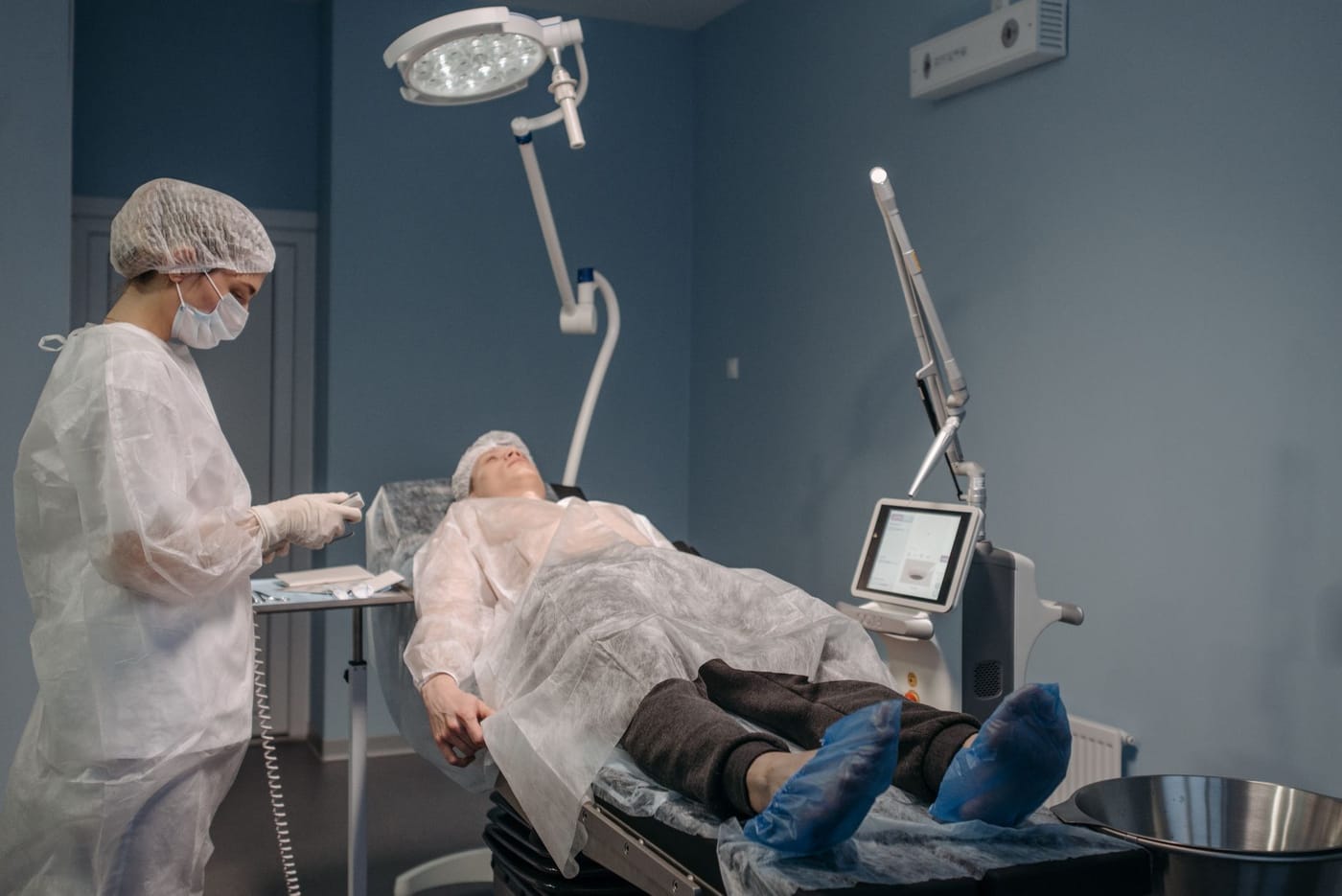
During surgery, the patient lies under the laser. Numbing drops are used. A lid holder prevents blinking. A flap is created with a femtosecond laser or microkeratome, the laser reshapes the cornea, and the flap is repositioned. Pressure and temporary dimming of vision can occur.
After surgery, the eye may burn, water, itch, or feel gritty. Vision is usually blurry or hazy initially and typically improves as healing progresses. Patients use prescribed drops, avoid rubbing, protect the eyes, and attend follow-up visits. The doctor checks healing, flap position, inflammation, infection, dryness, and vision.
When This May Be Serious
Worsening pain, decreasing vision, increasing redness, discharge, light sensitivity, or trauma after LASIK requires urgent evaluation. Before surgery, the serious issue is discovering a condition that makes LASIK unsafe, such as keratoconus, severe dry eye, active inflammation, or cataract.
How an Ophthalmologist Evaluates This
The evaluation includes refraction, corneal topography/tomography, pachymetry, tear assessment, pupil measurement, slit-lamp exam, and sometimes retinal evaluation. The surgeon should explain the surgical plan and alternatives.
Treatment Options
Treatment includes proceeding with LASIK if appropriate, treating dry eye first, choosing PRK/SMILE/ICL/RLE, or delaying surgery. Postoperative treatment includes antibiotics, steroids, lubricants, shields, and follow-up care as directed.
What You Should Not Do
Do not wear contact lenses against instructions before measurements. Do not wear eye makeup around surgery if told not to. Do not drive yourself home. Do not rub your eyes. Do not skip drops or follow-up.
When to Call May Eye Care Center
Patients in Hanover, York, Adams County, South Central Pennsylvania, and northern Maryland should call May Eye Care Center when glasses or contact lenses are interfering with work, driving, sports, photography, surgery, outdoor activities, or quality of life. LASIK is elective, so the decision should be careful, measured, and based on a complete medical eye examination—not an advertisement or a discount offer. May Eye Care Center aims to be the MECCA of Eye Care: a trusted regional destination patients return to regularly for eye exams, surgical guidance, and straight answers about whether LASIK or another option truly fits their eyes.
Bottom Line
LASIK is a process, not just a laser appointment. The best outcomes come from careful preparation, precise surgery, and disciplined follow-up.
Frequently asked questions
01How long do I stop contacts before LASIK?
It depends on lens type. Soft, toric, rigid gas permeable, and hard lenses require different intervals.
02Will I be asleep?
Usually no. LASIK is typically done awake with numbing drops.
03Will I see during surgery?
You may see lights and shadows, and vision may dim temporarily.
04Is blurry vision after LASIK normal?
Early blur is common. Worsening vision should be checked.
05How many follow-ups do I need?
At least early postoperative follow-up is typical, with additional visits as directed.
06Can I use regular eye drops?
Use only drops approved by your surgeon.
This page also answers
- Am I a good candidate for LASIK?
- What are the risks of LASIK?
- Does LASIK cause dry eye?
- How long does LASIK recovery take?
- What are the alternatives to LASIK?
- When should this be checked urgently?
- What testing helps confirm the diagnosis?
- What treatments are available?
- What should patients avoid doing at home?
Medical sources
This article is for educational purposes only and is not a diagnosis, treatment plan, or substitute for an eye examination by a qualified eye doctor. Eye symptoms can have many causes, and some problems can threaten vision if they are not treated promptly. Do not diagnose or treat yourself based only on online information. If you have eye pain, sudden vision loss, flashes, new floaters, a curtain or shadow in your vision, double vision, chemical exposure, trauma, severe redness, light sensitivity, or any concerning eye symptom, seek urgent medical eye care or emergency care.
Schedule your eye exam at May Eye Care Center in Hanover, PA
Serving York, Gettysburg, Adams County, and northern Maryland (driving distances). Call (717) 637-1919 or explore more about LASIK at our practice.
Call (717) 637-1919