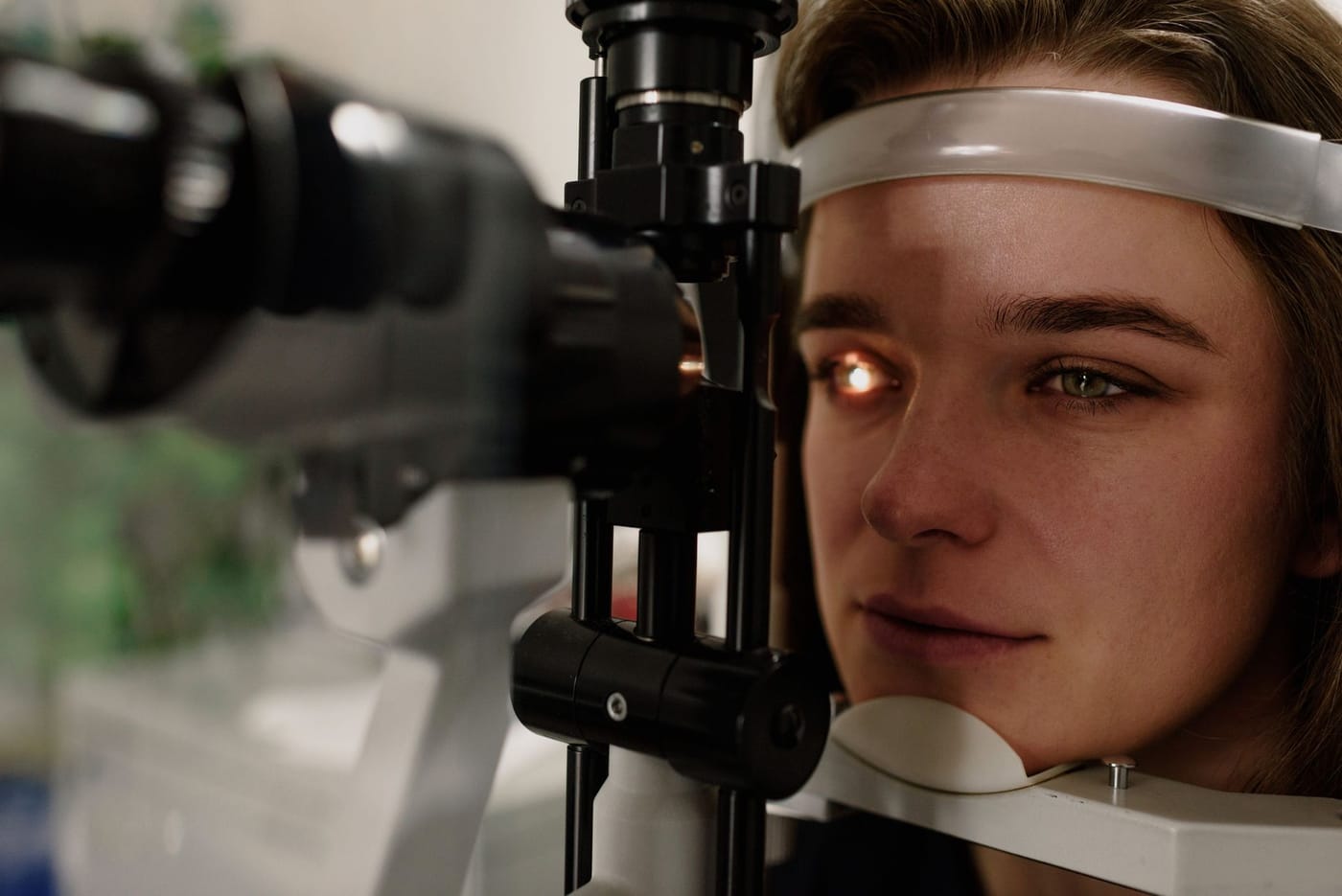
What Is Normal Eye Pressure?
A common eye-pressure range is roughly 10 to 21 mmHg, but 'normal' pressure does not guarantee a healthy optic nerve. Some people get glaucoma at normal pressures, and some people tolerate higher pressures without damage. This article is educational and does not replace a medical eye examination. If you have sudden vision loss, severe pain, new flashes or floaters, a curtain or shadow in your vision, chemical exposure, trauma, or neurologic symptoms, seek urgent eye care.
Key Takeaways
- A common eye-pressure range is roughly 10 to 21 mmHg, but 'normal' pressure does not guarantee a healthy optic nerve.
- Important related symptoms include high eye pressure, optic nerve changes, visual field loss, halos, and family-history risk.
What This Means for Your Eyes
Glaucoma is a group of diseases that damage the optic nerve, the cable that carries visual information from the eye to the brain. Eye pressure is important, but glaucoma is diagnosed by the optic nerve, visual field, and risk profile—not pressure alone.
For patients searching online, the most important point is that similar symptoms can have very different causes. High eye pressure, optic nerve changes, visual field loss, halos, and family-history risk can be mild or serious depending on timing, severity, one-eye versus both-eyes involvement, and whether vision is changing. A medically trained eye examination is often the difference between treating the right problem and chasing symptoms with the wrong drops.
Detailed Explanation
The dangerous part of glaucoma is that early disease usually has no symptoms. Patients can have good central vision while slowly losing peripheral vision. Some people have high eye pressure without glaucoma, while others develop glaucoma at statistically normal pressures. Risk increases with age, family history, thin corneas, African or Hispanic ancestry, high eye pressure, steroid use, trauma, and other eye conditions. The goal is to find disease early and lower risk of progression before permanent vision loss occurs.
When This May Be Serious
Most glaucoma is silent, but sudden eye pain, halos, nausea, vomiting, redness, and blurred vision may suggest acute angle-closure glaucoma and require emergency care.
How an Ophthalmologist Evaluates This
A glaucoma evaluation includes eye pressure measurement, optic nerve examination, corneal thickness, gonioscopy to check the drainage angle, OCT nerve imaging, visual field testing, and comparison over time.
Treatment Options
Treatment may include prescription drops, selective laser trabeculoplasty, minimally invasive glaucoma surgery, traditional glaucoma surgery, or monitoring in lower-risk cases. Treatment is individualized to target pressure and progression risk.
What You Should Not Do
Do not stop glaucoma drops without medical guidance. Do not rely on pressure alone. Do not skip follow-up visits, because progression is often detected by comparing tests over time.
This page also answers
- What is normal eye pressure?
- Can glaucoma happen with normal pressure?
- How often should glaucoma be checked?
- Can glaucoma be reversed?
- What are glaucoma drops, SLT laser, and surgery?
- When should this be checked urgently?
- What testing helps confirm the diagnosis?
- What treatments are available?
- What should patients avoid doing at home?
Medical sources
- aao.org/eye-health/diseases/what-is-glaucoma
- nei.nih.gov/eye-health-information/eye-conditions-and-diseases/glaucoma
- nei.nih.gov/eye-health-information/eye-conditions-and-diseases/glaucoma/types-glaucoma
- aao.org/eye-health/diseases/laser-trabeculoplasty
- aao.org/eye-health/diseases/slt-dslt-laser-surgeries-glaucoma-1
This article is for educational purposes only and is not a diagnosis, treatment plan, or substitute for an eye examination by a qualified eye doctor. Eye symptoms can have many causes, and some problems can threaten vision if they are not treated promptly. Do not diagnose or treat yourself based only on online information. If you have eye pain, sudden vision loss, flashes, new floaters, a curtain or shadow in your vision, double vision, chemical exposure, trauma, severe redness, light sensitivity, or any concerning eye symptom, seek urgent medical eye care or emergency care.
Schedule your eye exam at May Eye Care Center in Hanover, PA
Serving York, Gettysburg, Adams County, and northern Maryland (driving distances). Call (717) 637-1919 or explore more about glaucoma at our practice.
Call (717) 637-1919