What Are the Symptoms of a Retinal Detachment?
Retinal detachment symptoms can include sudden floaters, flashes, a curtain or shadow over vision, loss of peripheral vision, or blurred vision. This is an urgent condition because detached retina can lead to permanent vision loss. This article is educational and does not replace a medical eye examination. If you have sudden vision loss, severe pain, new flashes or floaters, a curtain or shadow in your vision, chemical exposure, trauma, or neurologic symptoms, seek urgent eye care.
Key Takeaways
- Retinal detachment symptoms can include sudden floaters, flashes, a curtain or shadow over vision, loss of peripheral vision, or blurred vision.
- Important related symptoms include new floaters, flashes, cobwebs, shadows, peripheral vision loss, and sudden blur.
What This Means for Your Eyes
Floaters and flashes often come from changes in the vitreous gel inside the eye. As the vitreous shifts with age, it can pull on the retina. Most floaters are not dangerous, but a sudden shower of floaters or flashes can signal a retinal tear or detachment.
For patients searching online, the most important point is that similar symptoms can have very different causes. New floaters, flashes, cobwebs, shadows, peripheral vision loss, and sudden blur can be mild or serious depending on timing, severity, one-eye versus both-eyes involvement, and whether vision is changing. A medically trained eye examination is often the difference between treating the right problem and chasing symptoms with the wrong drops.
Detailed Explanation
The retina is the light-sensitive tissue lining the back of the eye. The vitreous is the clear gel that fills the center of the eye. With age, nearsightedness, trauma, inflammation, or after eye surgery, the vitreous can separate from the retina. That process can create floaters, flashes, or a cobweb sensation. The danger is that traction can tear the retina, allowing fluid to pass underneath and detach it. That is why new symptoms deserve a dilated retinal exam.
When This May Be Serious
Urgent warning signs include sudden new floaters, flashes of light, a curtain or shadow in vision, loss of side vision, decreased vision, eye trauma, or symptoms after recent eye surgery.
How an Ophthalmologist Evaluates This
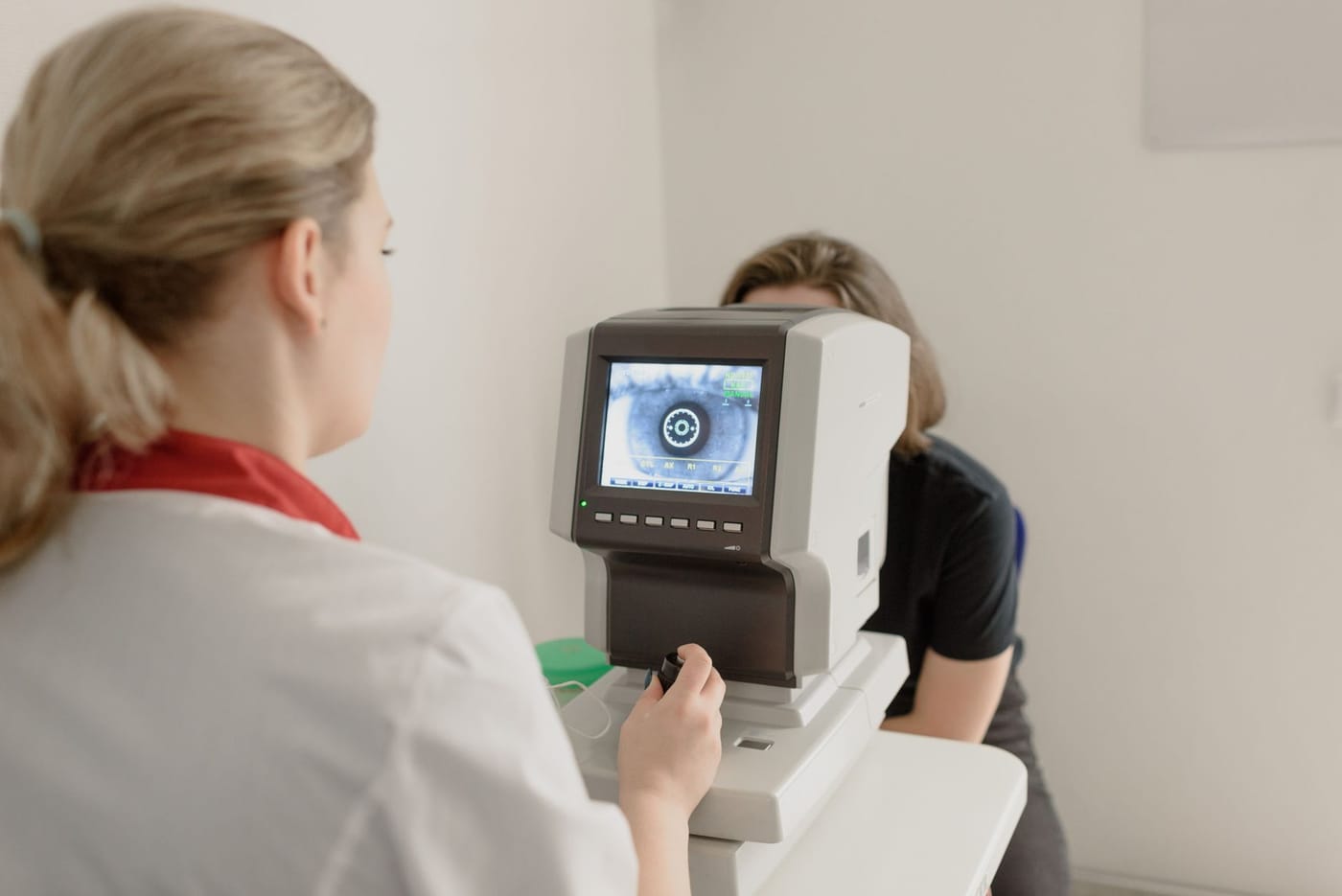
An ophthalmologist performs a dilated retinal examination, checks peripheral retina carefully, measures vision and eye pressure, and may use retinal imaging, optical coherence tomography, or ultrasound if the view is limited.
Treatment Options
A posterior vitreous detachment without a tear is usually observed. Retinal tears may be treated with laser or freezing treatment. Retinal detachment requires prompt retinal surgical care.
What You Should Not Do
Do not wait days or weeks with new flashes, a curtain, or sudden floaters. Do not assume a floater is harmless until the retina has been examined.
This page also answers
- What retinal symptoms are urgent?
- Can retina disease cause distortion or blind spots?
- What is the difference between macular and retinal disease?
- How does OCT help diagnose retina problems?
- When do patients need retina injections?
- When should this be checked urgently?
- What testing helps confirm the diagnosis?
- What treatments are available?
- What should patients avoid doing at home?
Medical sources
- aao.org/eye-health/diseases/detached-torn-retina
- nei.nih.gov/eye-health-information/eye-conditions-and-diseases/retinal-detachment
- nei.nih.gov/eye-health-information/eye-conditions-and-diseases/retinal-detachment/surgery-retinal-detachment
- mayoclinic.org/diseases-conditions/retinal-detachment/symptoms-causes/syc-20351344
This article is for educational purposes only and is not a diagnosis, treatment plan, or substitute for an eye examination by a qualified eye doctor. Eye symptoms can have many causes, and some problems can threaten vision if they are not treated promptly. Do not diagnose or treat yourself based only on online information. If you have eye pain, sudden vision loss, flashes, new floaters, a curtain or shadow in your vision, double vision, chemical exposure, trauma, severe redness, light sensitivity, or any concerning eye symptom, seek urgent medical eye care or emergency care.
Schedule your eye exam at May Eye Care Center in Hanover, PA
Serving York, Gettysburg, Adams County, and northern Maryland (driving distances). Call (717) 637-1919 or explore more about retina & vitreous at our practice.
Call (717) 637-1919